Germany uses Type C and F outlets with 230V electricity. U.S. travelers will need a plug adapter and may need a voltage converter for certain devices.
Turning travel dreams into family memories.
Turning travel dreams into family memories.



Tipping in Germany is customary but modest. Rounding up the bill or leaving 5–10% for good service is standard. Tips are usually given directly when paying, not left on the table.
Germans value punctuality, efficiency, and direct communication. Rules are generally followed, especially regarding transportation, recycling, and quiet hours. Quiet hours are strictly enforced, especially between 10 PM–6 AM and on Sundays. Noise complaints and fines are common. Respectful behavior is expected in public spaces.
Pro Tip: Jaywalking can result in fines, particularly in cities like Berlin. Travelers are often surprised by strict pedestrian rules.

Germany uses Type C and F outlets with 230V electricity. U.S. travelers will need a plug adapter and may need a voltage converter for certain devices.
Tap water is safe to drink throughout Germany. Bottled water is common, but not necessary.

Public restrooms are available but often require a small fee. Even in restaurants, restrooms may be reserved for paying customers.
Popular attractions, trains, and accommodations can sell out during peak seasons and holidays. Advance booking is recommended, especially for long-distance trains and major sights.
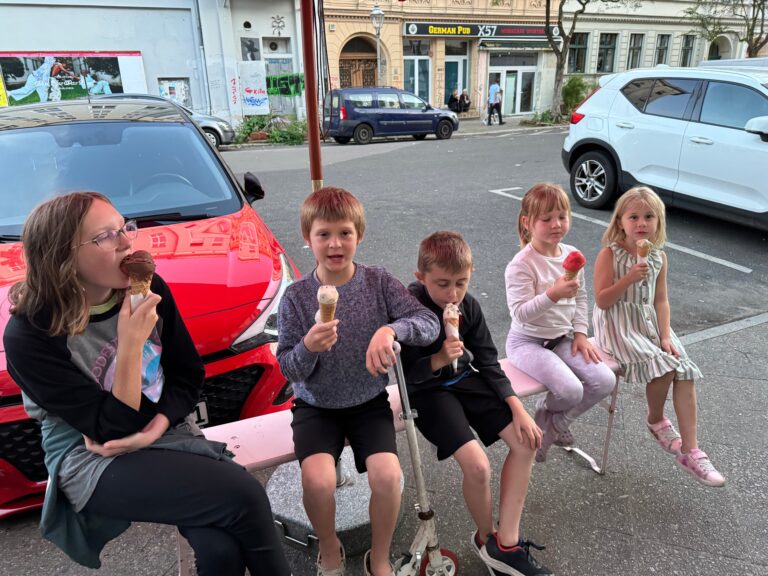
Quiet hours are taken seriously, particularly at night and on Sundays. Recycling rules are strict, and crossing streets outside designated crosswalks can result in fines in some cities. Germany has a deposit-return system (Pfand) on many bottles and cans.
U.S. travelers do not need a visa for tourist stays of up to 90 days within a 180-day period in Germany and the Schengen Area. Your passport must be valid for at least three months beyond your planned departure date. Proof of onward travel and sufficient funds may be requested. ETIAS is not currently required and is expected to begin no earlier than late 2026.
Germany has several major international airports, including Frankfurt (FRA), Munich (MUC), Berlin Brandenburg (BER), and Düsseldorf (DUS). Travelers also commonly arrive by train from neighboring European countries with no border checks within the Schengen Zone.
Germany’s central location makes it ideal for multi-country trips. High-speed and regional trains connect Germany seamlessly to Austria, Switzerland, France, the Netherlands, and beyond. Trains are often the fastest and most efficient way to exit the country.

Germany is fairly casual, but neat attire is common in cities. Comfortable walking shoes are essential. Layers are recommended, as weather can change quickly. Modest clothing is required when visiting churches.
Germany uses the Euro (€). Credit cards are accepted in many places, but despite being highly modern, Germany still relies heavily on cash. Many travelers are surprised when cards are not accepted in bakeries, markets, and traditional restaurants.
Shopping Tip: Almost all stores, including grocery stores, are closed on Sundays. Travelers frequently search this after arriving unprepared.

German is the official language. English is widely spoken, particularly in major cities and tourist areas. Learning a few basic German phrases is appreciated.
Wi-Fi is common in hotels and cafés, though less universal than in some countries. An eSIM or international data plan is recommended for navigation and train travel.

Germany has one of Europe’s best public transportation systems. Trains are efficient for city-to-city travel, while metros, trams, and buses are easy to use within cities. Pro Tip: Ticket inspections are frequent and fines for riding without a valid ticket are immediate and costly. Many travelers research this after being fined.
If renting a car, be sure to watch for speed limits on the Autobahn. Some roads do not have limits, but many do and speed cameras are common.
We use cookies to improve your experience on our site. By using our site, you consent to cookies.
Manage your cookie preferences below:
Essential cookies enable basic functions and are necessary for the proper function of the website.