England uses Type G outlets with 230V electricity. A universal power adapter is the best choice for travelers. Most modern devices like phones and laptops are dual-voltage, but check hair styling tools and other appliances before plugging in.
Turning travel dreams into family memories.
Turning travel dreams into family memories.

Tipping in England is not required, as service charges are often included in bills. A tip of 10–15% in restaurants is common for excellent service, but it remains optional. Taxi drivers and hotel staff may also be tipped for exceptional service, though it is not mandatory.
English culture values politeness, respect, and personal space. Saying hello or good morning in shops and restaurants is appreciated. Dining is generally more relaxed than in the U.S., and public behavior is expected to be courteous and quiet.
England uses Type G outlets with 230V electricity. A universal power adapter is the best choice for travelers. Most modern devices like phones and laptops are dual-voltage, but check hair styling tools and other appliances before plugging in.
Tap water in England is safe to drink throughout the country. Carrying a reusable water bottle is convenient while sightseeing, especially in cities and on day trips.

Public restrooms are available but often require a small fee. Restrooms in restaurants or cafés are usually for paying customers only, so planning restroom breaks around meals is advisable. Major train stations and tourist sites typically have paid facilities.
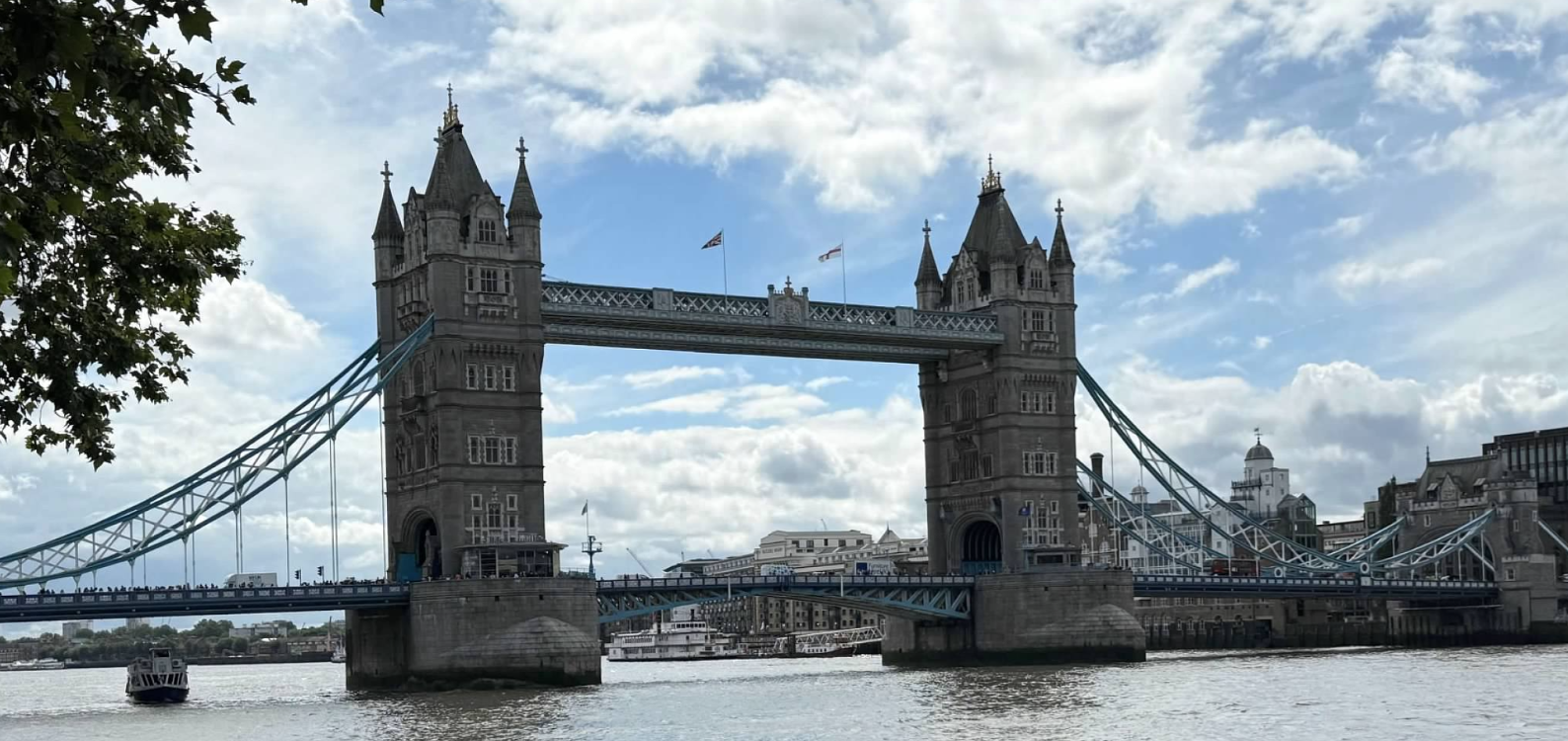
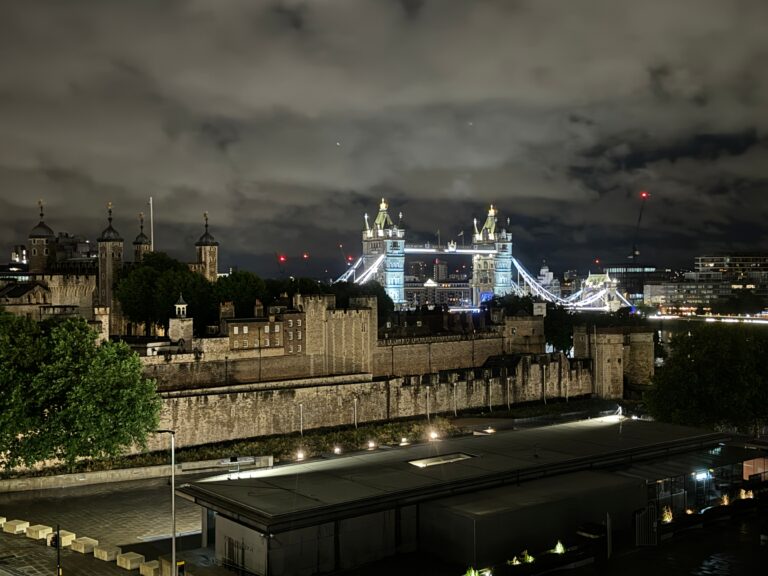
England’s most popular attractions, including the Tower of London, Buckingham Palace, and Stonehenge, can be very busy, particularly during peak season. Booking tickets and tours in advance ensures access and helps avoid long lines. Checking for special events, strikes, or closures is also recommended.
U.S. travelers do not require a visa for short stays (usually up to six months). A valid passport is required for entry, and proof of onward travel may be requested. Effective 2025, U.S. citizens will need an Electronic Travel Authorization (ETA) before visiting England. England is a convenient hub for travel throughout the UK and Europe. Eurostar trains connect London to Paris, Brussels, and Amsterdam, while flights from major airports allow easy international travel. Trains and coaches provide seamless connections to Scotland, Wales, and Northern Ireland.
England is highly accessible for international travelers, with major airports including London Heathrow (LHR), London Gatwick (LGW), Manchester (MAN), London Stansted (STN), and London Luton (LTN). These airports provide extensive connections to Europe, North America, and beyond, with convenient rail, coach, and taxi links into city centers.
Getting around England is straightforward thanks to its efficient transportation network. High-speed and regional trains connect major cities such as London, Manchester, Birmingham, Liverpool, and Bristol, while buses and coaches serve smaller towns and rural areas. Urban transit systems, including the London Underground, trams, and city buses, make navigating cities easy. Renting a car is useful for exploring rural regions, scenic drives, and national parks. Driving is on the left-hand side, and travelers should be aware of congestion zones and parking fees in major cities.
England also serves as a convenient hub for onward travel. Eurostar trains connect London to Paris, Brussels, and Amsterdam, while flights from major airports provide access to destinations worldwide. Domestic rail and coach networks allow smooth travel to Scotland, Wales, and Northern Ireland, making multi-country or multi-region trips simple and efficient.
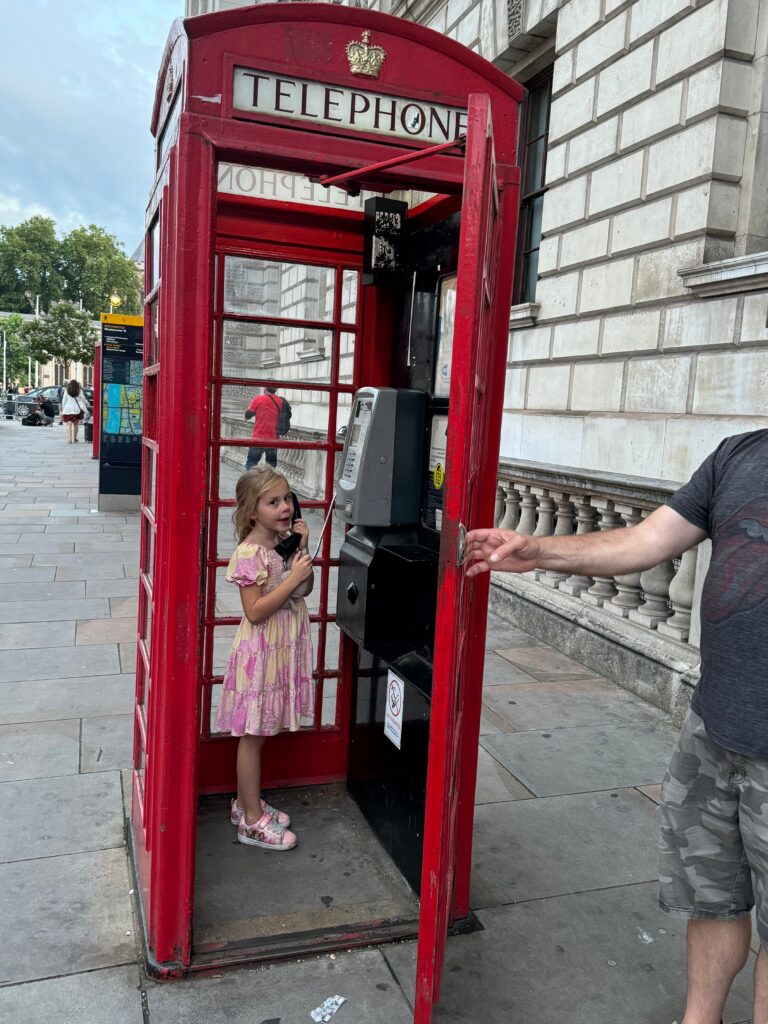
Dress tends to be smart-casual, especially in cities like London. Comfortable walking shoes are essential due to cobblestones and long city walks. Layers and a waterproof jacket are recommended, as the weather can change
England uses the British Pound Sterling (£). Credit and debit cards are widely accepted in shops, restaurants, and hotels, but carrying some cash is useful for small purchases, markets, or transportation in rural areas. When paying by card, always choose to pay in pounds rather than your home currency to avoid poor exchange rates. Many shops, especially in smaller towns, close on Sundays or have reduced hours during lunchtime, so planning shopping trips ahead is recommended.

English is the official language, so communication is generally straightforward for travelers from the U.S. Basic politeness phrases like “please,” “thank you,” and “excuse me” are appreciated and go a long way in interactions.
Wi-Fi is widely available in hotels, cafés, and public spaces. For navigation, translation, and booking trains or tickets, using an eSIM or international data plan is recommended. Mobile coverage is generally excellent in cities, but rural areas may have limited signal.
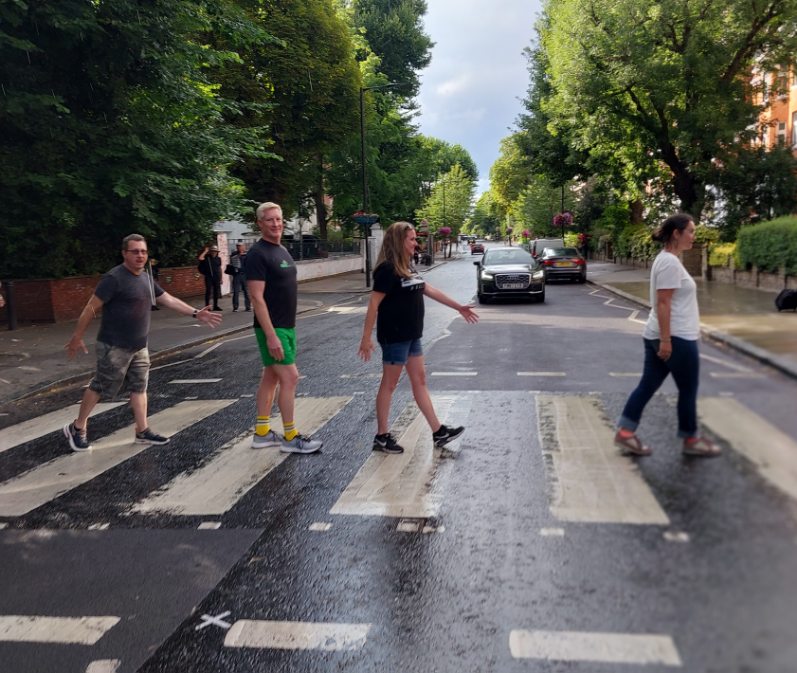
England has an excellent transportation network. National Rail trains connect major cities and towns, while buses and coaches cover smaller towns. High-speed trains like Avanti West Coast and LNER make longer journeys fast and comfortable. Urban transport, such as the London Underground, trams, and city buses, is efficient. Contactless payment cards or Oyster cards are preferred in London, and validating tickets on trains is often required. Renting a car is best for exploring rural areas like the Lake District, Cotswolds, or Cornwall. Driving is on the left side of the road.
We use cookies to improve your experience on our site. By using our site, you consent to cookies.
Manage your cookie preferences below:
Essential cookies enable basic functions and are necessary for the proper function of the website.