Oregon
Know Before You Go
📅 Best Time to Visit
The best time to visit Oregon is late spring through early fall (May–September), when the weather is mild, roads are clear, and outdoor activities are fully accessible. Summer (July–August) offers the warmest temperatures but can also bring crowds, especially along the coast and in national parks. Spring is ideal for wildflower blooms and waterfall hikes, while fall brings colorful foliage in the mountains and quieter trails. Winter is perfect for snow sports in the Cascades but limits access to higher-elevation roads.
🧭 Regions of the State
Oregon can be divided into several distinct regions:
Willamette Valley & Portland area – urban culture, wineries, and riverside scenery.
Oregon Coast – dramatic cliffs, sandy beaches, and iconic lighthouses.
Cascades & Central Oregon – mountains, lakes, volcanoes, and Bend’s outdoor recreation.
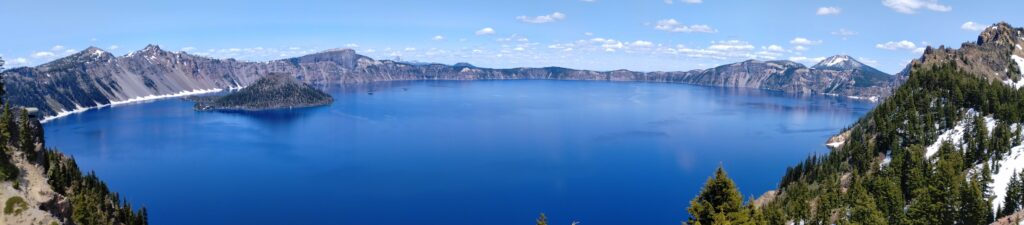
Southern Oregon – Rogue River adventures, Crater Lake National Park, and wine country.
Eastern Oregon & High Desert – wide-open landscapes, deserts, and lesser-known hiking trails.
💰 Budget Friendly Tips
Oregon can be moderate to expensive depending on lodging and activities. Booking accommodations outside major tourist towns can save money, and renting a vacation home with a kitchen allows you to prepare meals instead of eating out constantly. Many state parks offer affordable camping for a more budget-friendly experience. Travel during shoulder seasons like late May or September can help you avoid peak-season prices while still enjoying great weather.
⚠️ Common Mistakes First-Time Visitors Make
- Ignoring Tide Tables – It is easy to get stranded on rock formations or small beaches when the tide comes in. Always check tide tables before heading out.
- Underestimating Travel Time – Distances in Oregon are deceptively long due to winding mountain roads and slow coastal highways (Highway 101). Do not try to pack too many destinations into one trip.
- Ignoring Local Road Rules – When driving, be aware of the “Move Over” law and speed limits, which are strictly enforced, especially in construction zones and on the winding coast.
- Getting Stranded in the Desert/Mountains – If traveling inland, especially in eastern or central Oregon, never let your gas tank get too low. Cell service can be nonexistent.
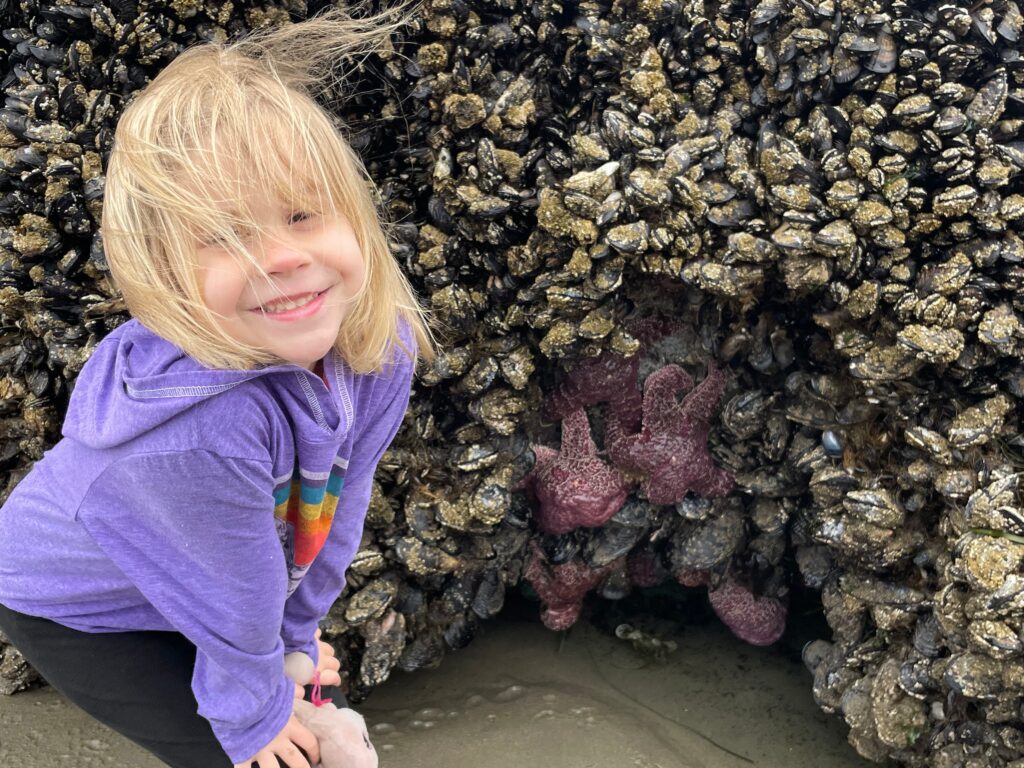
- Stepping on Tide Pools – When exploring coastal tide pools, walk only on bare, dry rock to avoid destroying the fragile ecosystem.
- Not Booking Ahead – Popular, limited attractions (like some campgrounds or high-demand spots near Crater Lake) require booking months in advance, especially during the summer.
🚗 Best Way to Experience This State
Oregon is best explored by car, as the state offers a diverse mix of coastline, mountains, forests, and high desert that aren’t easily accessible by public transportation. In cities like Portland, Eugene, and Bend, you can get by with short drives and city transit, but a car is essential for exploring rural areas, the coast, and national parks. Scenic drives such as the Columbia River Gorge Highway and Oregon Coast Highway make road trips unforgettable.
⏱️ How Long You Really Need
To truly appreciate Oregon, plan for 7–10 days, which allows time to explore both the coast and interior regions. A shorter 4–5 day trip works if you focus on a single area, like Portland & the Columbia Gorge or Central Oregon and the Cascades. Longer trips of 10–14 days are ideal for combining multiple regions without feeling rushed.
 Worth the Hype (Iconic Experiences)
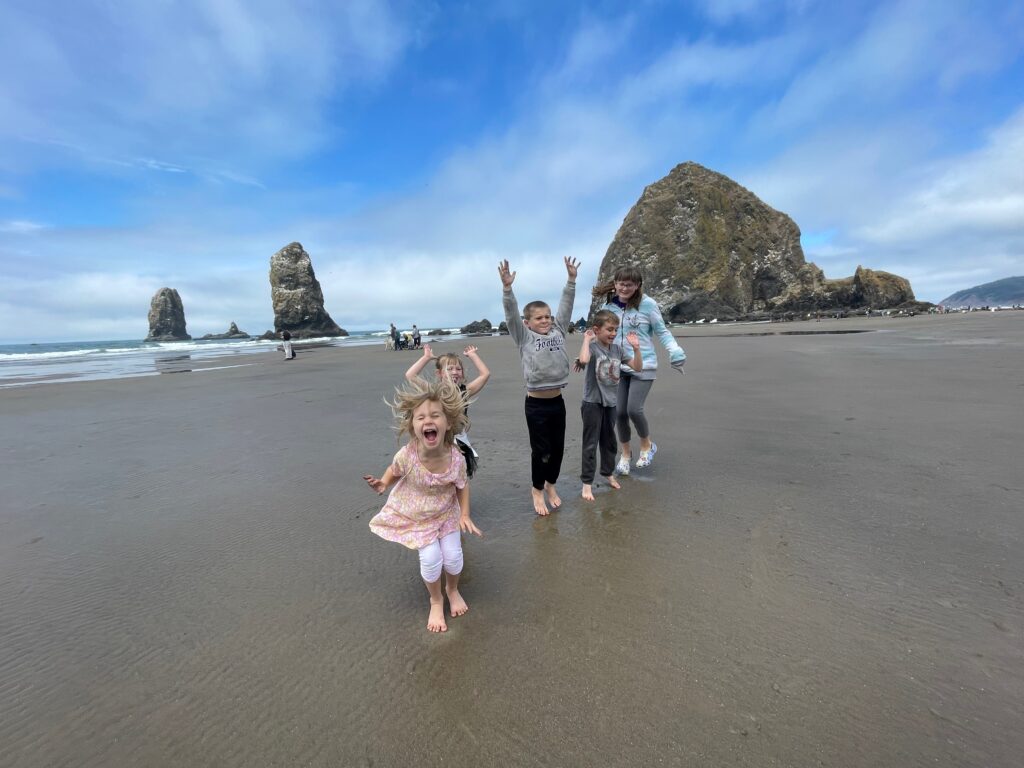
- Driving the Oregon Coast Highway (US-101) with stops at Cannon Beach and Haystack Rock
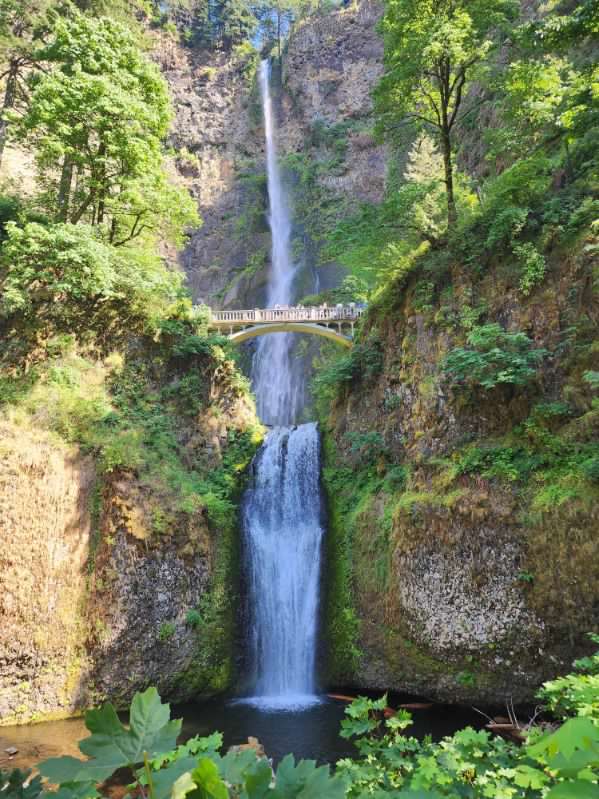
- Hiking in the Columbia River Gorge to see waterfalls like Multnomah Falls
- Exploring Crater Lake National Park and its turquoise lake
- Roaming the volcanic peaks and lakes in the Cascade Range
- Visiting Portland’s food scene, Powell’s Books, and iconic bridges
- Wine tasting in the Willamette Valley
💎 Hidden Gems We Loved (Less Crowded, Equally Memorable)
- Smith Rock State Park in Central Oregon for climbing and hiking
- Silver Falls State Park for multiple waterfall trails
- Eastern Oregon’s Steens Mountain for remote landscapes
- Oregon Dunes National Recreation Area for unique sand adventures
- The Painted Hills in the John Day Fossil Beds
- Coastal towns like Manzanita or Rockaway Beach for fewer crowds
- Wallowa Mountains in northeast Oregon
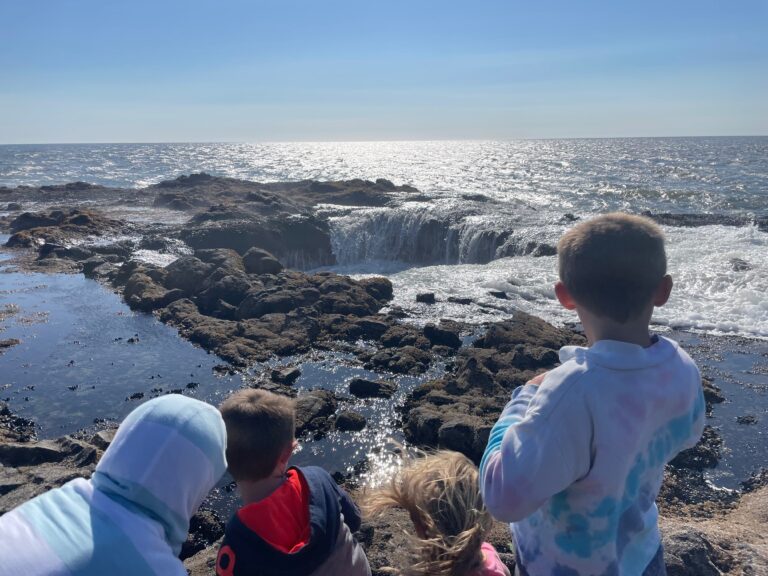
- Thor’s Well in Yachats
- Tide pooling for sea life along the coast
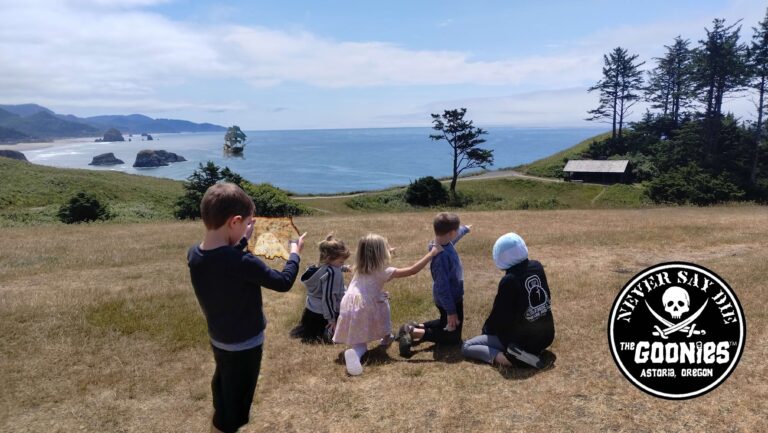
- A Goonies adventure in Astoria and Cannon Beach

 Nature Lovers
- Hiking the Columbia River Gorge waterfalls
- Exploring Crater Lake National Park
- Kayaking or paddleboarding on Cascade Lakes
- Smith Rock State Park climbing and trails
Beachcombing along the Oregon Coast
🧪🏛️ Science & History Lovers
- Oregon Museum of Science and Industry (OMSI) in Portland
- John Day Fossil Beds National Monument and Painted Hills
- Fort Rock State Natural Area
- Historic downtowns like Astoria
Geological tours of lava fields and volcanic peaks
😌 Relaxers
- Wine tasting in the Willamette Valley
- Soaking in hot springs near Bend or southern Oregon
- Beach walks along Cannon Beach or Manzanita
- Spa retreats in Portland and Bend
Scenic drives with minimal hiking, like the McKenzie Pass Loop
👨👩👧👦 Families with Children
- Beach days at Cannon Beach or Rockaway Beach
- Easy hikes in Silver Falls State Park
- OMSI hands-on exhibits in Portland
- Wildlife viewing at wildlife refuges like Malheur
- Tide pooling along Oregon Coast
🎬 Filming Location Enthusiasts
- The Goonies filming locations in Astoria
- Twilight film locations around Portland and the coast
- Oregon Coast and Columbia Gorge landscapes used in TV and movies
- Fort Clatsop (Lewis & Clark history) for historical reenactments
🌄 Scenery Lovers
- Oregon Coast Highway viewpoints
- Columbia River Gorge vistas
- Cascade Mountains & alpine lakes
- Painted Hills and John Day Fossil Beds
- Wallowa Mountains and Eagle Cap Wilderness
- Multnomah Falls