Italy uses Type C, F, and L plugs with a standard voltage of 230V. Travelers from North America or other regions will need a plug adapter, and while most modern electronics like phones and laptops are dual-voltage, some devices—especially hair tools—may require a voltage converter. Carrying a reliable adapter ensures your devices stay powered throughout your trip.
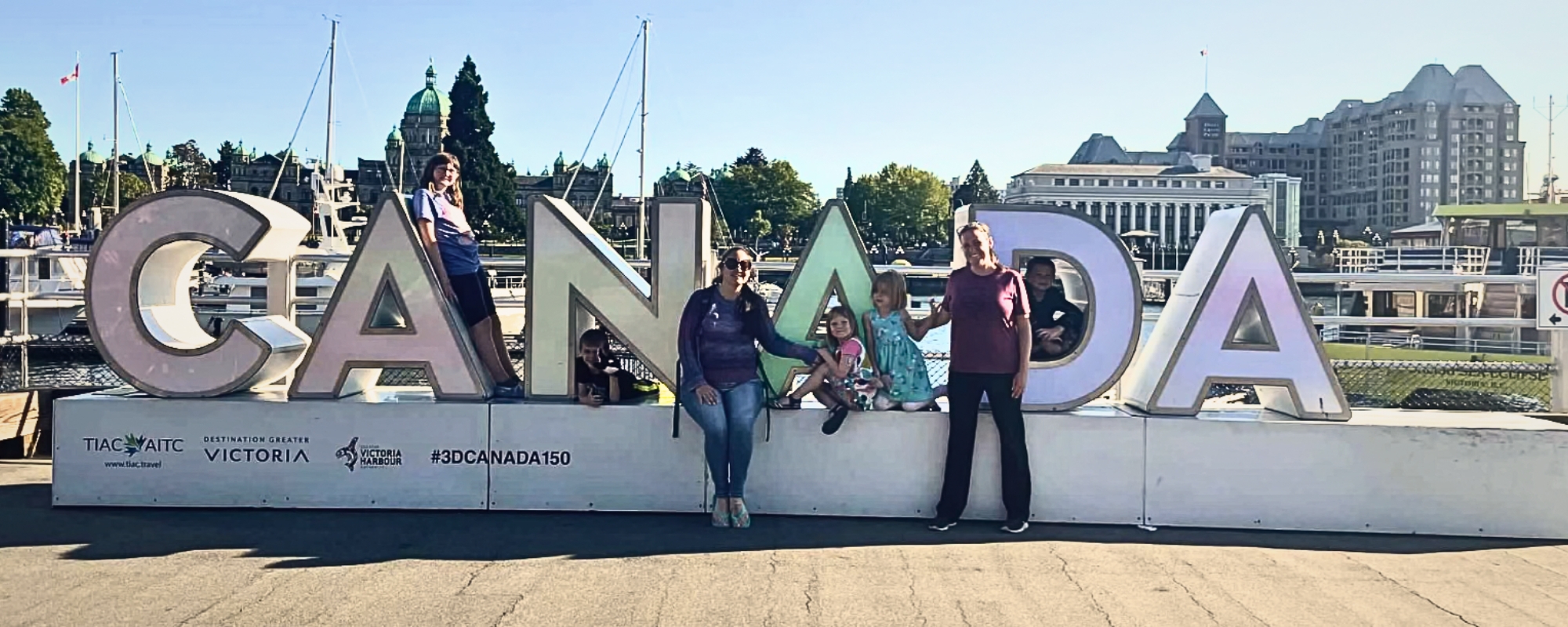
Canada
Travelers Cheat Sheet
- Language: English/French
- Currency: Canadian Dollar (CAD)
- Best Time to Travel: Late May–June: Mild weather, fewer crowds, great for cities and national parks; July–August: Peak season with warm weather, festivals, and school holidays (expect higher prices); September–October: One of the best times to visit—cooler temps, fall foliage, and lighter crowds; December–March: Ideal for winter sports and holiday experiences; very cold in many regions
- International Airport: Toronto (YYZ), Vancouver International (YVR), Montreal Trudeau (YUL), Calgary International (YYC), Edmonton International (YEG), Halifax Stanfield (YHZ)
- Popular Cities: Toronto, Vancouver, Montreal, Quebec City, Calgary, Banff & Lake Louise, Ottawa, Halifax
- Transportation: Trains, Driving, public transit in major cities
Know Before You Go

Tipping
Tipping in Italy is minimal. Round up the bill or leave a euro or two at restaurants; a coperto covers table service. Tipping at cafés, bars, and taxis is optional. It’s a small gesture, not an obligation.
Understand Coffee Culture
Italian coffee culture is unique and fast-paced. Locals usually enjoy a quick espresso or cappuccino at the bar, often standing rather than sitting. Cappuccinos and milk-based drinks are typically only consumed in the morning, while espresso is the go-to any time of day.

Plugs and Power
Water
Staying hydrated in Italy is easy, and bringing a reusable water bottle is essential to save money. Tap water is safe to drink throughout the country, and most cities are full of clean public fountains where you can refill for free. Carrying a bottle not only keeps you hydrated while exploring but also helps you avoid the cost of constantly buying bottled water.
Public Restrooms
Public restrooms in Italy can be limited, especially in city centers and tourist areas, so planning ahead is important. Many restrooms require a small fee, usually €1–€2, and those in cafés or restaurants are often reserved for paying customers. Carrying a few coins and using facilities when you have the chance will save stress while exploring. In addition, some tourist sites and train stations provide free restrooms, but they may be basic and busy.
Planning Ahead
Italy’s most popular cities and attractions—Rome, Florence, Venice, and Milan—can get extremely crowded, especially during peak travel season from April to October. To avoid long lines and ensure entry, it’s important to book tickets for major sites like the Colosseum, Vatican Museums, Uffizi Gallery, and the Last Supper well in advance. Visiting early in the morning, later in the evening, or during the shoulder season can also help you enjoy these iconic sights with fewer crowds.
Understand Italy's Mealtime Culture
Breakfast: Breakfast in Italy is simple, light, and quick. Most locals start their day with a cappuccino or espresso and a pastry such as a cornetto, often enjoyed standing at the bar rather than sitting down. You won’t find heavy American-style breakfasts here—no eggs, bacon, or pancakes. Instead, the Italian morning focuses on something small and sweet to ease into the day before the real meals begin.
Lunch: Lunch is traditionally the heartiest meal of the day and an important part of the daily rhythm. In many towns, especially smaller or more traditional areas, you may notice shops closing for riposo, giving locals time to enjoy a proper midday break. A sit-down lunch at a trattoria might include pasta, meat, or fresh vegetables, while quick options like pizza al taglio or panini are popular for travelers on the go.
Dinner: Dinner in Italy is less about eating quickly and more about savoring the experience. It typically starts later than in many other countries—often around 7:30 or 8:00 PM—and follows a leisurely pace. Meals often move through traditional courses, from antipasti to a primo such as pasta or risotto, then a secondo of meat or fish. Dining is an event: slow, social, and filled with conversation, good food, and local wine. To fully embrace Italian culture, allow dinner to unfold without hurry and enjoy the ritual the way Italians do.

What to Wear
When visiting Italy, comfort and style go hand in hand. Comfortable walking shoes are essential for cobblestone streets and long days of exploring. Lightweight clothing works well in summer, while layers are ideal in spring, fall, and winter, especially in northern regions. Many churches and religious sites require modest attire—covering shoulders and knees—so bringing a scarf or shawl is helpful. Dressing neatly also helps you blend in with locals, who tend to favor a polished, put-together look.
Money & Shopping
Italy uses the euro, and credit cards are widely accepted in most cities, but it’s smart to carry some cash for small shops, markets, or rural areas. ATMs are easy to find and often offer better exchange rates than currency exchanges. When shopping, remember that many stores close for riposo in the afternoon, and markets may have set hours, so plan accordingly. Bargaining isn’t common in regular shops, but it can be acceptable at outdoor markets for fresh produce or souvenirs.

Language
Italian is the official language, and while English is commonly spoken in tourist areas, learning a few key phrases goes a long way. Simple words like ciao (hello/goodbye), grazie (thank you), and per favore (please) show respect and are greatly appreciated by locals. Knowing basic phrases can make ordering food, asking for directions, and navigating daily interactions smoother, while also helping you connect more authentically with the culture.
Connectivity and SIM Cards
Staying connected in Italy is simple. Most major U.S. carriers’ international plans work well for calls, texts, and data, making it easy for travelers who prefer not to switch SIM cards. For longer stays or heavier data use, purchasing an Italian SIM or eSIM from providers like TIM, Vodafone, or Iliad can be more cost-effective and offers reliable nationwide coverage. Wi-Fi is widely available in hotels, cafés, and public spaces, but having mobile data on the go makes navigation, translation, and travel planning much easier.
Transportation
Getting around Italy is relatively easy and efficient, with several options depending on your itinerary. High-speed trains connect major cities like Rome, Florence, Milan, and Venice, while regional trains serve smaller towns and scenic routes. Driving in cities can be challenging due to traffic and restricted zones (ZTL), so it’s best for exploring the countryside or coast. Public transportation—buses, trams, and metro systems—is reliable for daily sightseeing. Rideshares like Uber are available in some cities, but traditional taxis are more common; always make sure the taxi is licensed before accepting a ride. Planning routes in advance, booking high-speed train tickets early, and understanding local transit options will help you make the most of your time in Italy.