Croatia
Travelers Cheat Sheet
- Language: Croatian
- Currency: Euro (EUR)
- Best Time to Travel: May-June/Sept-Oct
- Time Zone: CET (UTC+1)
- International Airport: Zagreb (ZAG), Dubrovnik (DBV), Split (SPU), Zadar (ZAD), Pula (PUY), Rijeka (RJK)
- Popular Cities: Dubrovnik, Split, Zagreb, Zadar, Šibenik, Trogir, Rovinj, Pula, Poreč, Hvar, Korčula, and Plitvice Lakes National Park
- Transportation: Flights in and out of Croatia; Buses between cities; rental car for small towns; walking/Uber in larger cities
Cities/Destinations
What to expect in Croatia
Health & Vaccines
No vaccinations are specifically required for U.S. travelers entering Croatia, but travelers should be up to date on routine vaccinations. The CDC recommends Hepatitis A vaccination for unvaccinated travelers age one and older visiting Croatia. Travelers who plan to spend significant time hiking or camping in forested areas should also discuss tick-borne encephalitis (TBE) with their healthcare provider. Croatia is currently considered a Level 1 destination—Exercise Normal Precautions—by the U.S. Department of State.
Water & Safety
Tap water in Croatia is generally safe to drink, and we personally had no concerns about drinking the water during our time there. You don’t need to rely on bottled water for everyday drinking in the major tourist destinations. As with anywhere, travelers hiking, camping or visiting particularly remote areas should follow local guidance regarding drinking water. The CDC recommends standard food and water precautions for travelers in Croatia
Plugs and Power
Croatia uses Type C and Type F electrical outlets and the standard voltage is 230V/50Hz. Travelers from the United States will need a plug adapter, and appliances that aren’t dual-voltage will also require a voltage converter. Our family used the Universal Converter because we were traveling throughout Europe, which we highly recommend.
Top places to Visit in Croatia with Families
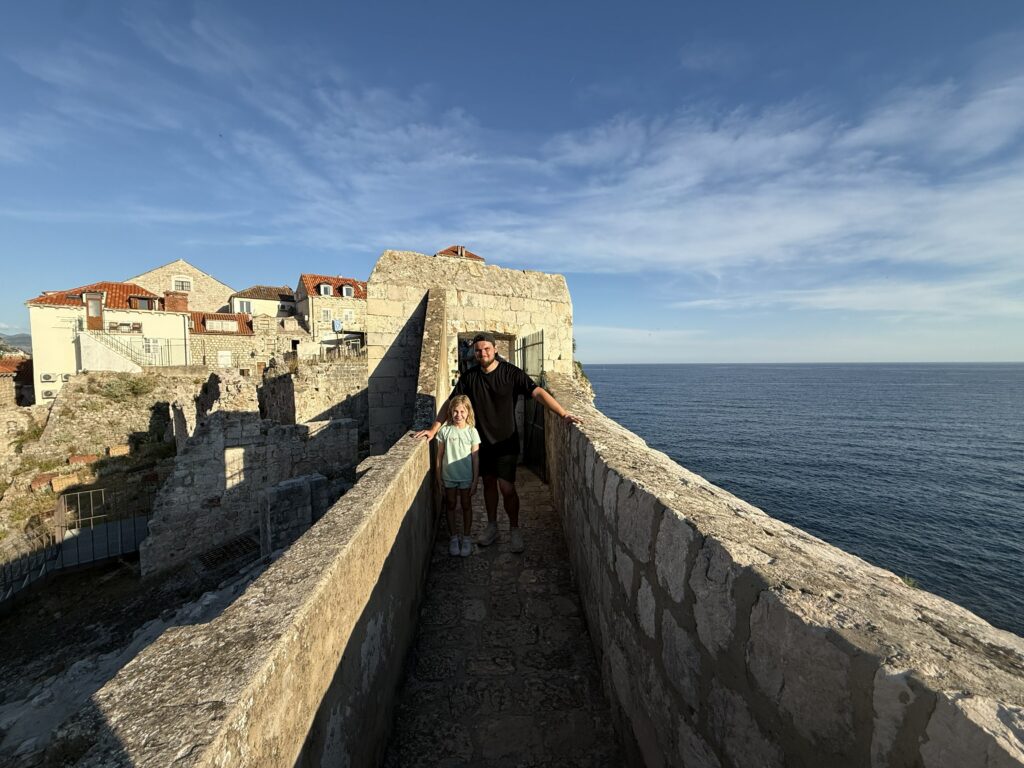
- Dubrovnik – Explore the medieval Old City, walk the city walls, ride the cable car and spend time swimming in the Adriatic.
- Split – Explore Diocletian’s Palace, wander the historic center and use Split as a base for island adventures.
- Plitvice Lakes National Park – A spectacular collection of turquoise lakes and waterfalls connected by wooden walkways.
- Krka National Park – Beautiful waterfalls, walking trails and a great introduction to Croatia’s natural scenery.
- Zadar – The Sea Organ and Sun Salutation are especially fun with kids, and the city is easy to explore on foot.
- Hvar – Beautiful beaches, clear water and boat excursions make the island a fun family getaway.
- Šibenik – A beautiful historic city that also puts you close to several family-friendly attractions and national parks.
- Istria – Explore hilltop villages, caves, beaches, castles and family-friendly agritourism experiences.
- Rovinj – Colorful buildings, narrow streets and easy access to beaches make this a great family stop.
- Korčula – A beautiful island with a charming Old Town, beaches and opportunities for boating and swimming.
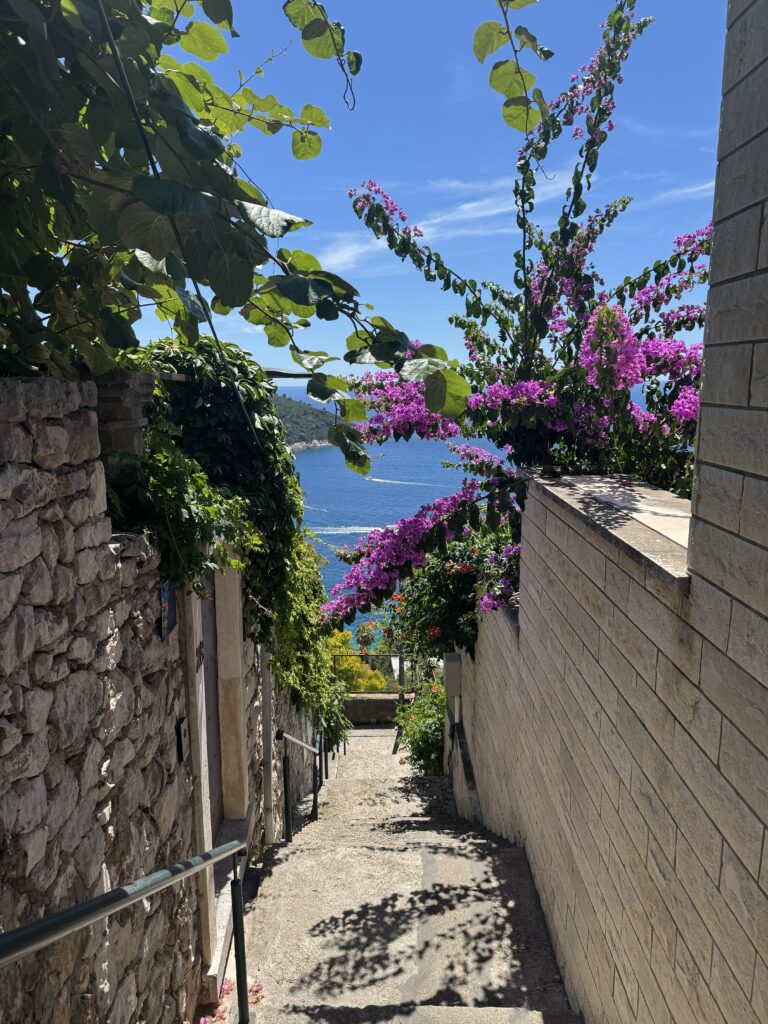
Getting your Visa
For U.S. citizens traveling to Croatia for tourism, a visa is not currently required for stays of 90 days or less within the Schengen Area’s 180-day period. Your passport should be valid for at least three months beyond your planned departure from the Schengen Area. However, ETIAS is expected to begin in late 2026, so travelers should check the current requirements before their trip rather than relying on older information.
Transportation
Croatia is one of those countries where how you get around can have a big impact on your experience. For families, we found that a combination of transportation methods works best. Buses are an excellent option for traveling between many of the country’s major cities, while ferries are essential if you want to explore Croatia’s islands. A rental car gives you considerably more freedom to explore smaller towns, beaches, national parks and inland areas, but a car can become a liability in historic city centers where parking is limited. Within larger cities, walking is often the best way to explore, particularly in places such as Dubrovnik’s Old City and Split’s historic center. Uber and other rideshare options are also available in many popular destinations.
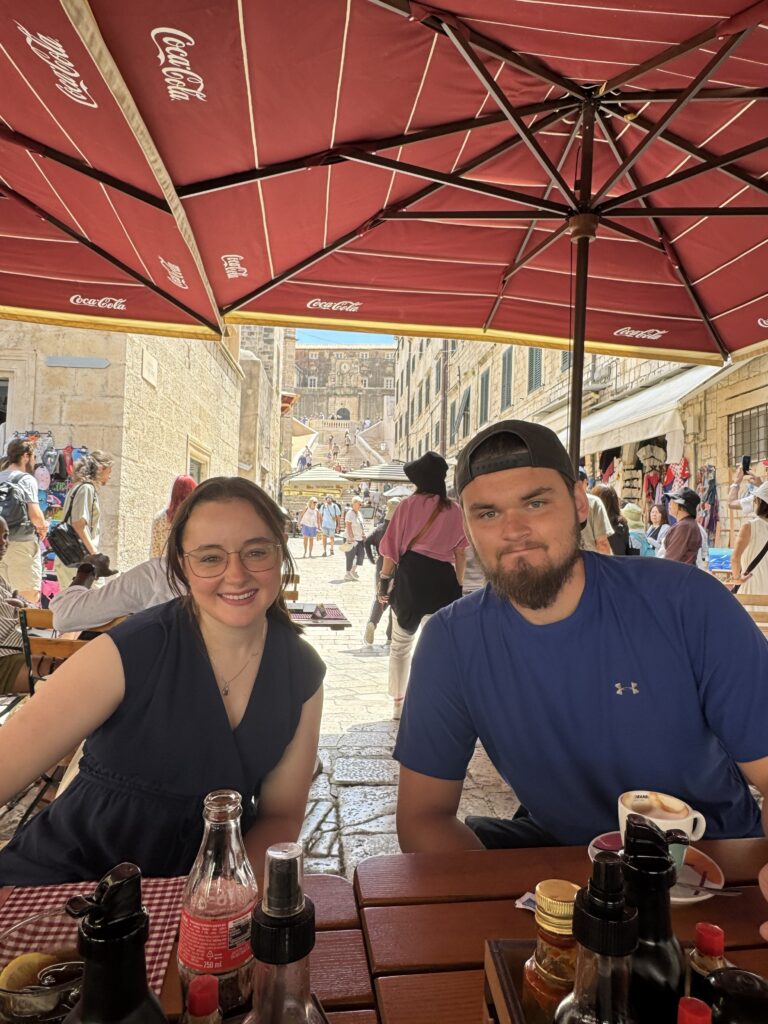
What to Wear
Croatia is generally casual, especially during the summer, but you’ll want to pack a few different types of clothing. Lightweight, breathable clothing, comfortable walking shoes, swimwear, a hat and plenty of sun protection are essential in the warmer months. If you’re visiting historic cities, comfortable shoes are especially important because you’ll encounter uneven stone streets, stairs and cobblestones. Bring a light sweater or jacket for cooler evenings and a rain layer if you’re traveling during the shoulder seasons. If visiting churches or other religious sites, pack something that provides reasonable shoulder and knee coverage.
Money
As for money, Croatia uses the euro (€), and we found that credit cards were widely accepted during our trip. You won’t need to carry large amounts of cash, particularly in cities and tourist areas. That said, we recommend carrying a small amount of euros for smaller restaurants, markets, bakeries, tips, parking, or businesses that don’t accept cards. ATMs are readily available, but we recommend using bank-operated ATMs whenever possible and declining unnecessary currency-conversion offers.
Language
The official language is Croatian, but English is widely spoken in tourist areas, hotels, restaurants and attractions. You’ll also encounter people who speak German, Italian and other European languages, particularly along the coast. We found Croatia to be an easy country for English-speaking travelers to navigate. Learning a few basic Croatian phrases such as hvala (thank you), molim (please/you’re welcome) and dobar dan (good day) is always appreciated.
Connectivity and SIM Cards
Staying connected in Croatia is relatively easy. Before purchasing a SIM card, check whether your U.S. cell phone plan includes international roaming or an international data package. Our family uses AT&Ts international package and had no issues. If your plan does not have an international package, an eSIM can be one of the easiest options because you can purchase and activate it before leaving home without having to swap physical SIM cards. Local Croatian SIM cards and mobile plans are also available. Wi-Fi is common in hotels, restaurants and other tourist businesses.
Hidden Gems & Less Crowded Favorites
- Cavtat – A peaceful seaside town just south of Dubrovnik that makes an excellent alternative or day trip.
- Ston – Famous for its impressive medieval walls, oysters and quieter atmosphere compared with Dubrovnik.
- Primošten – A gorgeous seaside town between Split and Šibenik that often gets overlooked.
- Trogir – A beautifully preserved historic town near Split that’s much smaller and easier to explore.
- Vis Island – Farther from the mainland and historically more isolated, giving it a more relaxed feel.
- Lastovo Island – One of Croatia’s more remote islands and an excellent choice for escaping the crowds.
- Motovun, Istria – A stunning hilltop town surrounded by vineyards and forests famous for truffles.
- Rastoke – A small village known for its waterfalls and historic watermills, often overshadowed by nearby Plitvice.
- Cres Island – Beautiful scenery, charming villages and a much quieter atmosphere than some of Croatia’s better-known islands.
- Gorski Kotar – A mountainous, forested region that offers cooler temperatures, hiking and outdoor adventures away from the summer crowds. Croatia’s tourism board specifically highlights this mountain area as a quieter escape from the busy coast and summer heat.
Dubrovnik
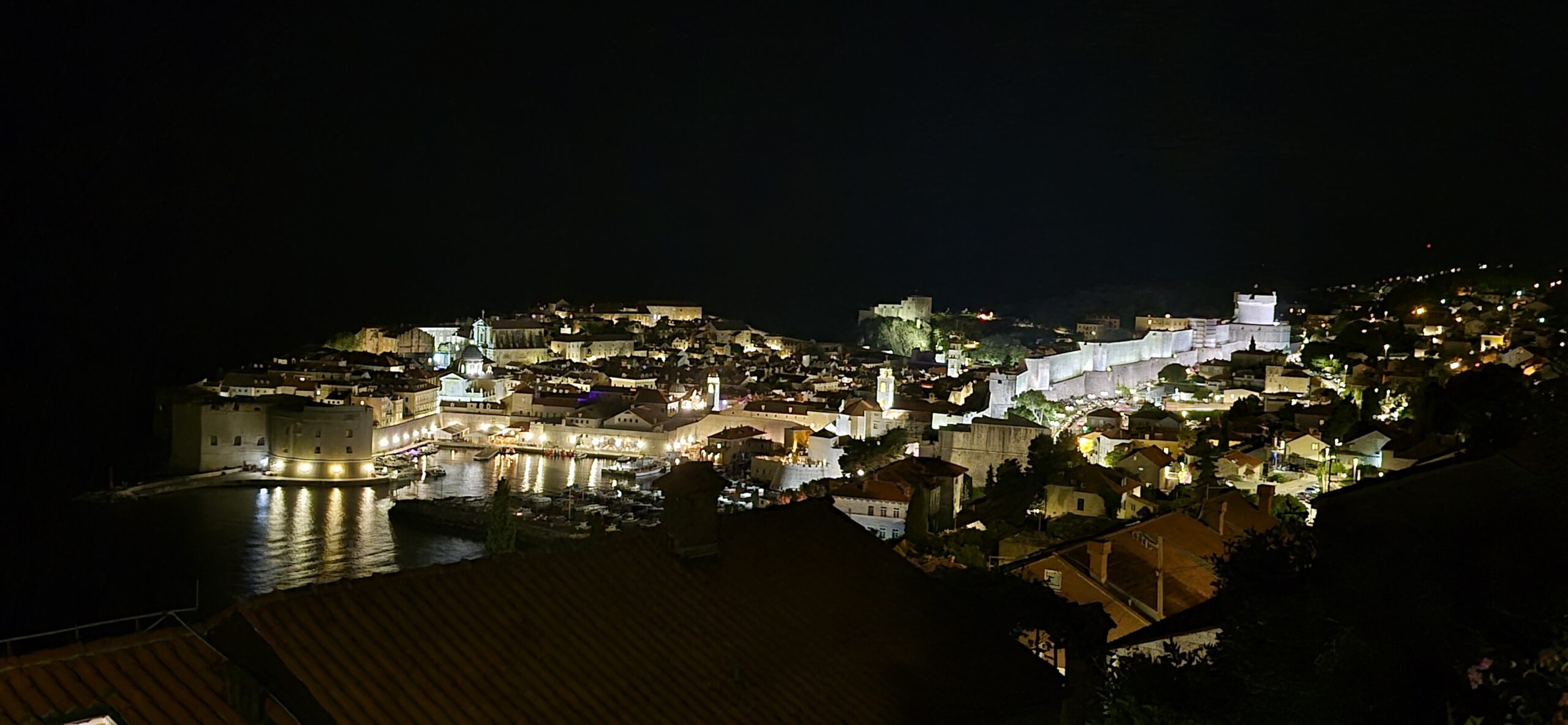
Dubrovnik Travel Guide: What to Do, Where to Stay, and Essential Tips for First-Time Visitors
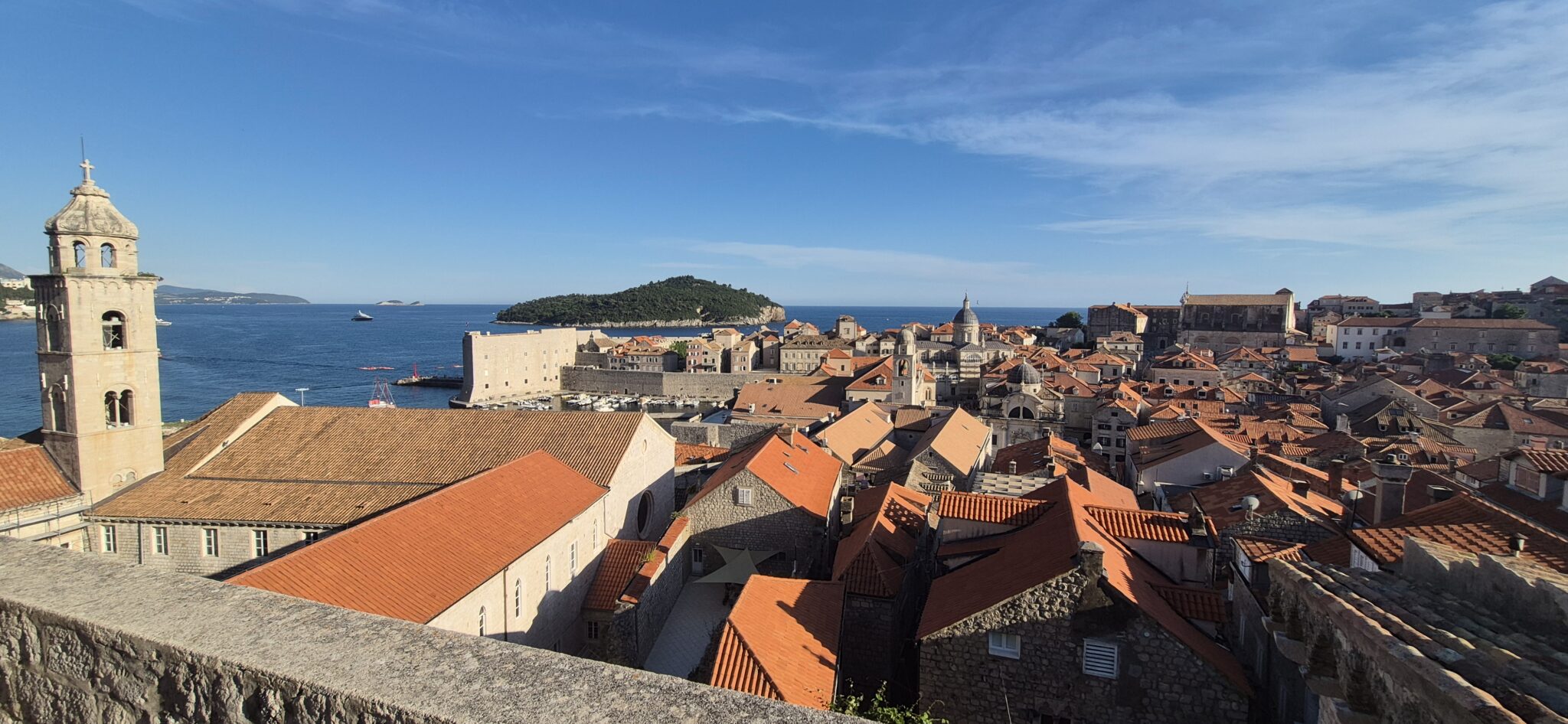
Dubrovnik, known as the “Pearl of the Adriatic,” is a historic coastal city in southern Croatia, famous for its beautifully preserved medieval Old City, ancient stone walls, and stunning Adriatic views. A UNESCO World Heritage Site, Dubrovnik is wonderful to explore on foot, with plenty of opportunities for families to enjoy history, beaches, swimming, boat excursions, and nearby islands. Keep in mind that the Old City has many steep steps and uneven stone streets, which can be challenging with young children or strollers.
Best Area to Stay
- Old Town: Best for first-time visitors who want to be immersed in Dubrovnik’s history and walk everywhere. The major downside is that it is pedestrian-only, there are lots of stairs, and accommodations tend to be more expensive.
- Pile: One of my favorite choices for convenience. You’re immediately outside the Old Town walls, close to Pile Gate, Fort Lovrijenac, beaches and major bus connections.
- Ploče: Great if you want beautiful Old Town and Adriatic views while remaining within easy walking distance of the historic center.
- Lapad: Our top recommendation for families. It offers beaches, restaurants, a seaside promenade, larger hotels and apartments, and a quieter atmosphere while remaining only a short bus or Uber ride from the Old Town.
- Babin Kuk: A particularly good choice for families looking for resort-style accommodations, pools, beaches and more space.
- Gruž: A practical option, particularly if you’re taking a ferry or cruise. It’s less picturesque than the Old Town or Lapad but has excellent transportation connections and tends to offer better value.
- Srebreno/Mlini: Consider these if you want a quieter beach vacation outside the city while still being close enough to visit Dubrovnik.
Accommodation Tips
- Don’t automatically stay inside the Old Town. It sounds romantic, but families should seriously consider the stairs, crowds, luggage logistics and lack of vehicle access.
- Look for air conditioning. Dubrovnik can get extremely hot during the summer, and you’ll appreciate having a cool place to retreat to during the afternoon.
- Prioritize a pool or easy swimming access if you’re traveling with kids. After several hours of sightseeing, having somewhere to swim can be a lifesaver.
- Consider an apartment with a kitchen. This can help offset Dubrovnik’s relatively high restaurant prices, particularly for breakfast and snacks.
- Check the exact location—not just the neighborhood. Dubrovnik is hilly, and a property that looks close to the Old Town on a map may involve a significant number of stairs.
- If staying in the Old Town, ask about luggage assistance. You cannot simply pull up to most accommodations with your car or taxi.
- If staying outside the Old Town, check transportation. A nearby bus stop can make a huge difference.
Hidden Gems in Dubrovnik (Worth Adding to Your Itinerary)
- Betina Cave Beach – A small, secluded beach tucked between cliffs and accessible primarily from the water. It’s a fun kayaking destination.
- Lokrum Island – Just off the Old Town, Lokrum offers swimming spots, walking trails, gardens and a completely different atmosphere from the busy city
- Šulić Beach – A small cove near Pile that’s convenient when you want to cool off without traveling far from the Old Town.
- Gradac Park – A peaceful green space near Pile that provides a welcome break from the stone streets and crowds.
- Mount Srđ – The cable car viewpoint gets the attention, but consider spending some time exploring the area around the mountain for incredible views of Dubrovnik and the Adriatic.
- Gruž Market – A great place to experience a more local side of Dubrovnik and pick up fresh fruit, snacks and other food.
Day Trips from Dubrovnik
- Mostar – See the famous Stari Most bridge and experience a completely different culture and landscape.
- Kotor – A spectacular day trip combining mountains, the Bay of Kotor and a beautiful medieval Old Town.
- Elaphiti Islands – Take a boat excursion to islands such as Koločep, Lopud and Šipan for swimming, beaches and a slower pace.
- Mljet National Park – A fantastic choice for families who enjoy nature, swimming, biking and exploring.
- Ston & the Pelješac Peninsula – Visit the impressive medieval walls of Ston and explore the peninsula’s coastal scenery and villages.
- Cavtat – A much smaller seaside town south of Dubrovnik with a lovely waterfront promenade, restaurants and swimming spots.
- Konavle Valley – Head inland for a quieter look at the countryside surrounding Dubrovnik, with opportunities for food, outdoor activities and local experiences.
Family tip: If you’re traveling with younger children, I’d prioritize an island/boat day, Lokrum, Cavtat or Mljet over trying to cram multiple long international border crossings into your itinerary.
Important Things to Know Before Visiting Dubrovnik
- The Old Town is pedestrian-only. You’ll be walking—and potentially carrying your luggage—once you reach the historic center.
- There are A LOT of stairs. This is probably one of the most important things to know before booking an Old Town apartment.
- Dubrovnik gets extremely crowded during peak summer. Cruise passengers and day-trippers can dramatically change the atmosphere during the middle of the day.
- Visit the Old Town early in the morning or later in the evening when possible. The experience can be completely different once the largest crowds leave.
- Summer is hot. Plan sightseeing around the heat and give yourself time for swimming or air-conditioned breaks.
- Wear good walking shoes. The polished limestone streets can be slippery, and you’ll encounter stairs and uneven surfaces.
- Don’t expect Dubrovnik to be cheap. Accommodation, restaurants and activities can be noticeably more expensive than other parts of Croatia.
- Credit cards are widely accepted, so there’s no need to carry a large amount of cash. Make sure your card has no foreign transaction fees
- Uber is available, making it relatively easy to get between the Old Town, Lapad, Babin Kuk and other parts of the city.
- You don’t need a rental car just to visit Dubrovnik. Parking can be difficult and expensive, and the historic center isn’t accessible by car.
- Book popular activities ahead of time in summer, particularly boat tours and highly sought-after excursions.
- Leave time to swim. It’s easy to create an itinerary packed with historical sights and forget that the Adriatic is one of the best parts of Dubrovnik!
Who is Dubrovnik Best For
- Families who want a combination of history, beaches, swimming and adventure.
- History lovers who enjoy medieval architecture, fortifications and exploring historic cities.
- Water lovers who want kayaking, boating, swimming, snorkeling and island excursions.
- Photographers and scenery lovers looking for spectacular coastal views.
- Game of Thrones fans who want to see many of the show’s famous filming locations.
- Active travelers who don’t mind stairs, hills and walking.
- Couples looking for a romantic destination with beautiful sunsets, waterfront dining and historic surroundings.
- Cruise travelers who want to experience one of the Adriatic’s most impressive ports.
Must See Attractions:
- Climb Brunelleschi’s Dome for sweeping city views.
Visit the cathedral interior, Baptistery, and museum complex
Purchase City Wall Tickets in Advance
Book Dome Climb in Advance