Italy uses Type C, F, and L plugs with a standard voltage of 230V. Travelers from North America or other regions will need a plug adapter, and while most modern electronics like phones and laptops are dual-voltage, some devices—especially hair tools—may require a voltage converter. Carrying a reliable adapter ensures your devices stay powered throughout your trip.
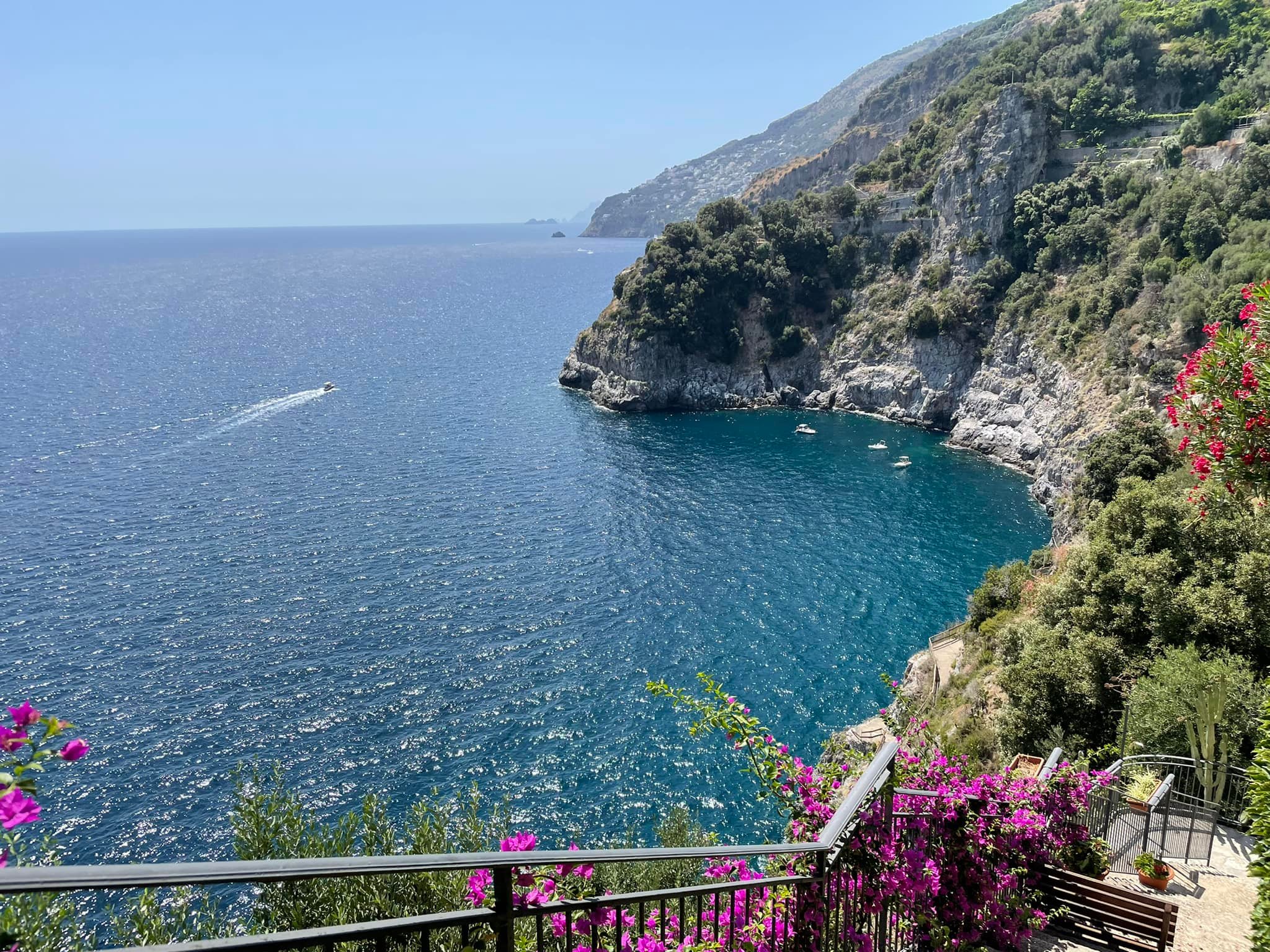
Italy
Travelers Cheat Sheet
- Language: Italian
- Currency: Euro
- Best Time to Travel: April-June or September-October
- Time Zone: CET (UTC+1)
- International Airport: Rome (FCO), Naples (NAP), Milan (MXP), Venice (VCE)
- Popular Cities: Rome, Florence, Venice, Naples, Milan, Bologna, Verona, Turin, Pisa, Genoa
- Transportation: Trains, Metro, Uber, Buses, Scooters, walking
Know Before You Go
Tipping
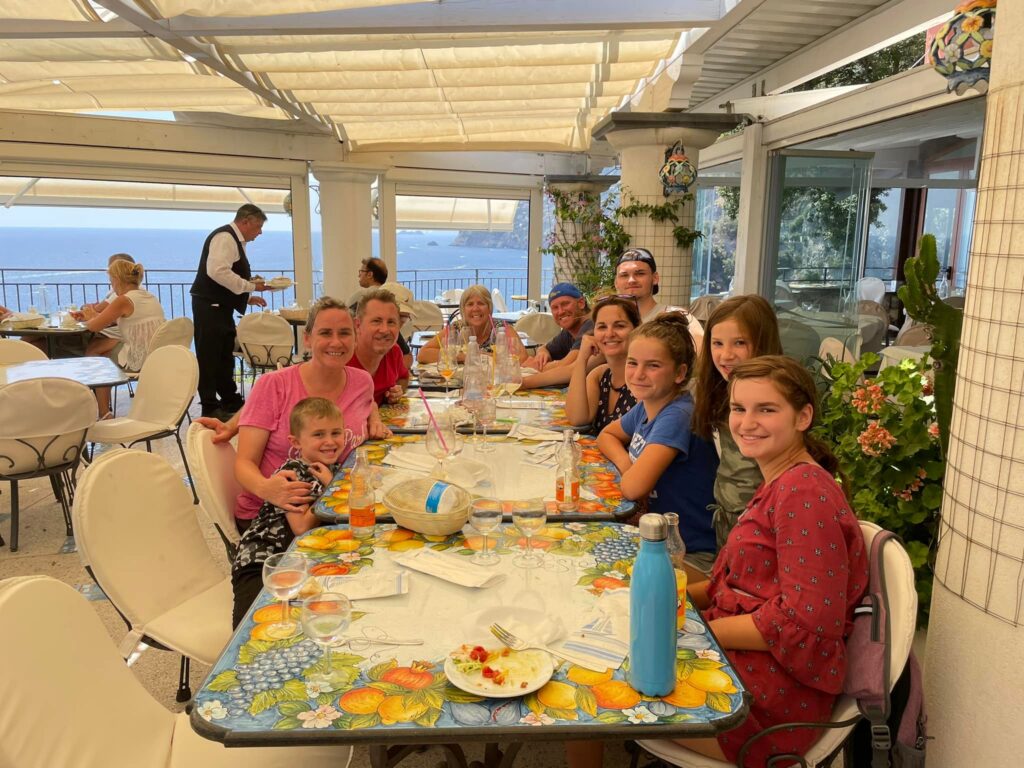
Tipping in Italy is minimal. Round up the bill or leave a euro or two at restaurants; a coperto covers table service. Tipping at cafés, bars, and taxis is optional. It’s a small gesture, not an obligation.
Understand Coffee Culture
Italian coffee culture is unique and fast-paced. Locals usually enjoy a quick espresso or cappuccino at the bar, often standing rather than sitting. Cappuccinos and milk-based drinks are typically only consumed in the morning, while espresso is the go-to any time of day.
Plugs and Power
Water
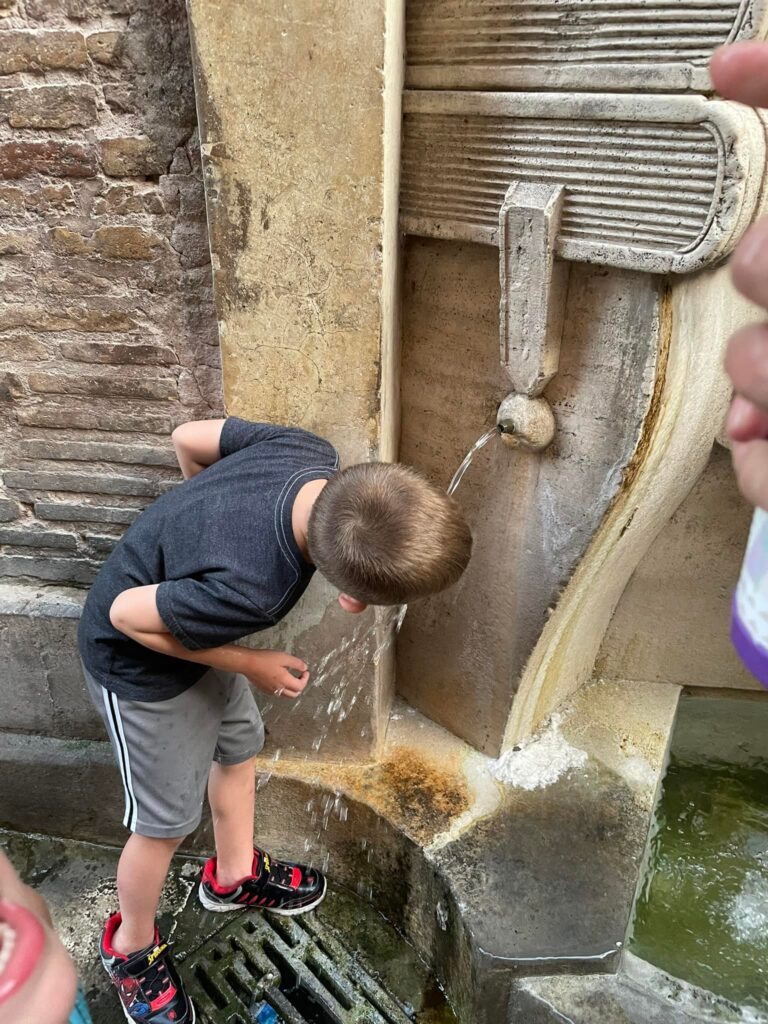
Staying hydrated in Italy is easy, and bringing a reusable water bottle is essential to save money. Tap water is safe to drink throughout the country, and most cities are full of clean public fountains where you can refill for free. Carrying a bottle not only keeps you hydrated while exploring but also helps you avoid the cost of constantly buying bottled water.
Public Restrooms
Public restrooms in Italy can be limited, especially in city centers and tourist areas, so planning ahead is important. Many restrooms require a small fee, usually €1–€2, and those in cafés or restaurants are often reserved for paying customers. Carrying a few coins and using facilities when you have the chance will save stress while exploring. In addition, some tourist sites and train stations provide free restrooms, but they may be basic and busy.
Planning Ahead
Italy’s most popular cities and attractions—Rome, Florence, Venice, and Milan—can get extremely crowded, especially during peak travel season from April to October. To avoid long lines and ensure entry, it’s important to book tickets for major sites like the Colosseum, Vatican Museums, Uffizi Gallery, and the Last Supper well in advance. Visiting early in the morning, later in the evening, or during the shoulder season can also help you enjoy these iconic sights with fewer crowds.
Understand Italy's Mealtime Culture
Breakfast: Breakfast in Italy is simple, light, and quick. Most locals start their day with a cappuccino or espresso and a pastry such as a cornetto, often enjoyed standing at the bar rather than sitting down. You won’t find heavy American-style breakfasts here—no eggs, bacon, or pancakes. Instead, the Italian morning focuses on something small and sweet to ease into the day before the real meals begin.
Lunch: Lunch is traditionally the heartiest meal of the day and an important part of the daily rhythm. In many towns, especially smaller or more traditional areas, you may notice shops closing for riposo, giving locals time to enjoy a proper midday break. A sit-down lunch at a trattoria might include pasta, meat, or fresh vegetables, while quick options like pizza al taglio or panini are popular for travelers on the go.
Dinner: Dinner in Italy is less about eating quickly and more about savoring the experience. It typically starts later than in many other countries—often around 7:30 or 8:00 PM—and follows a leisurely pace. Meals often move through traditional courses, from antipasti to a primo such as pasta or risotto, then a secondo of meat or fish. Dining is an event: slow, social, and filled with conversation, good food, and local wine. To fully embrace Italian culture, allow dinner to unfold without hurry and enjoy the ritual the way Italians do.
What to Wear
When visiting Italy, comfort and style go hand in hand. Comfortable walking shoes are essential for cobblestone streets and long days of exploring. Lightweight clothing works well in summer, while layers are ideal in spring, fall, and winter, especially in northern regions. Many churches and religious sites require modest attire—covering shoulders and knees—so bringing a scarf or shawl is helpful. Dressing neatly also helps you blend in with locals, who tend to favor a polished, put-together look.
Money & Shopping
Italy uses the euro, and credit cards are widely accepted in most cities, but it’s smart to carry some cash for small shops, markets, or rural areas. ATMs are easy to find and often offer better exchange rates than currency exchanges. When shopping, remember that many stores close for riposo in the afternoon, and markets may have set hours, so plan accordingly. Bargaining isn’t common in regular shops, but it can be acceptable at outdoor markets for fresh produce or souvenirs.
Language
Italian is the official language, and while English is commonly spoken in tourist areas, learning a few key phrases goes a long way. Simple words like ciao (hello/goodbye), grazie (thank you), and per favore (please) show respect and are greatly appreciated by locals. Knowing basic phrases can make ordering food, asking for directions, and navigating daily interactions smoother, while also helping you connect more authentically with the culture.
Connectivity and SIM Cards
Staying connected in Italy is simple. Most major U.S. carriers’ international plans work well for calls, texts, and data, making it easy for travelers who prefer not to switch SIM cards. For longer stays or heavier data use, purchasing an Italian SIM or eSIM from providers like TIM, Vodafone, or Iliad can be more cost-effective and offers reliable nationwide coverage. Wi-Fi is widely available in hotels, cafés, and public spaces, but having mobile data on the go makes navigation, translation, and travel planning much easier.
Transportation
Getting around Italy is relatively easy and efficient, with several options depending on your itinerary. High-speed trains connect major cities like Rome, Florence, Milan, and Venice, while regional trains serve smaller towns and scenic routes. Driving in cities can be challenging due to traffic and restricted zones (ZTL), so it’s best for exploring the countryside or coast. Public transportation—buses, trams, and metro systems—is reliable for daily sightseeing. Rideshares like Uber are available in some cities, but traditional taxis are more common; always make sure the taxi is licensed before accepting a ride. Planning routes in advance, booking high-speed train tickets early, and understanding local transit options will help you make the most of your time in Italy.
The Ultimate 2 Week Italy Itinerary
March 17, 2026
No Comments
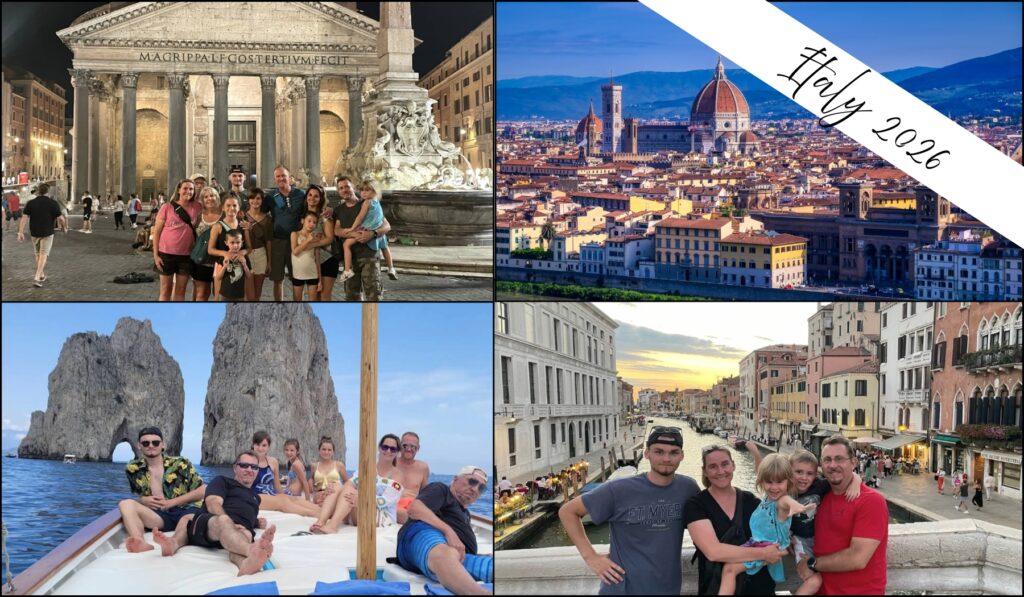
Dreaming of Italy but not sure where to start? This guide is perfect for first-time travelers and families alike, covering two unforgettable weeks through Rome, Florence, Venice, the Amalfi Coast, and more. I’ve mapped out all the must-see sights, plus shared my top tips for traveling with kids so your trip is as smooth as it is memorable.
Florence
Florence Travel Guide: What to Do, Where to Stay, and Essential Tips for First-Time Visitors
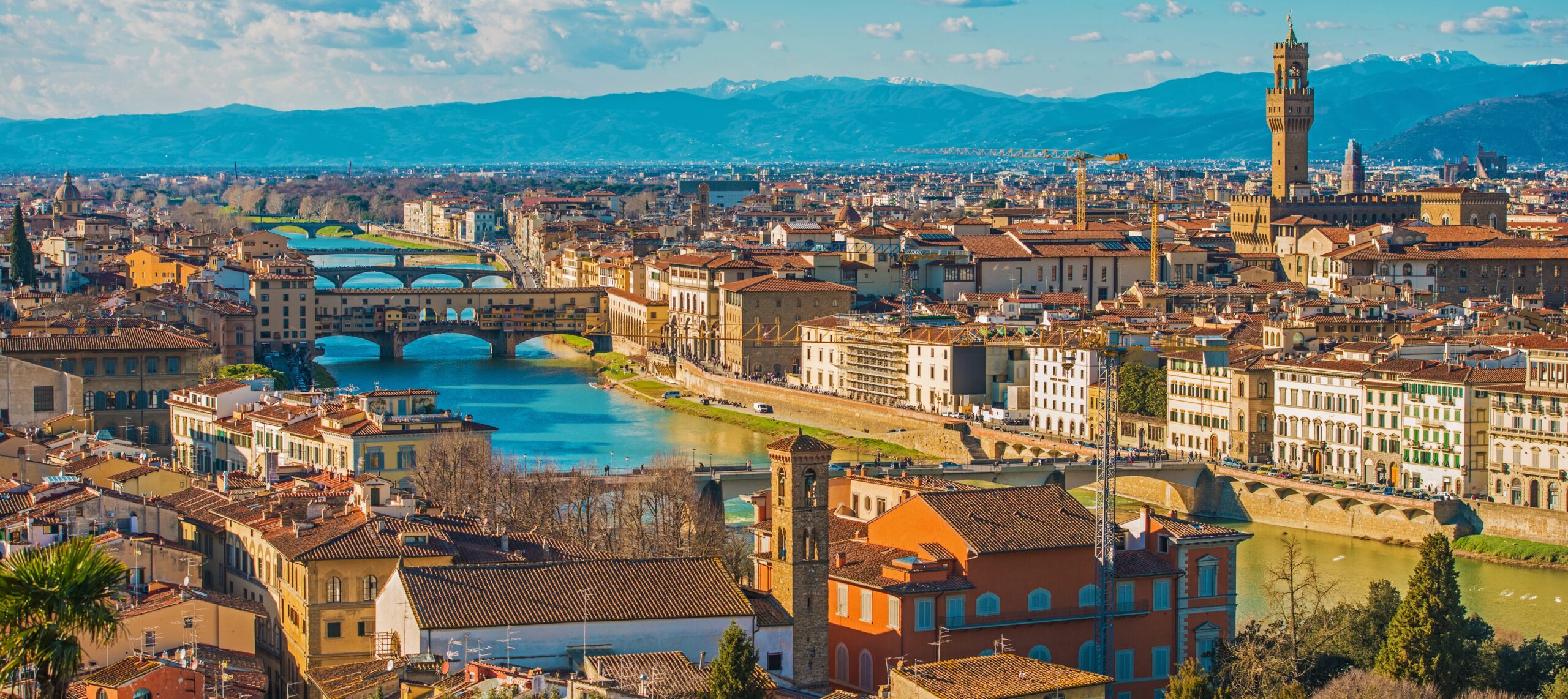
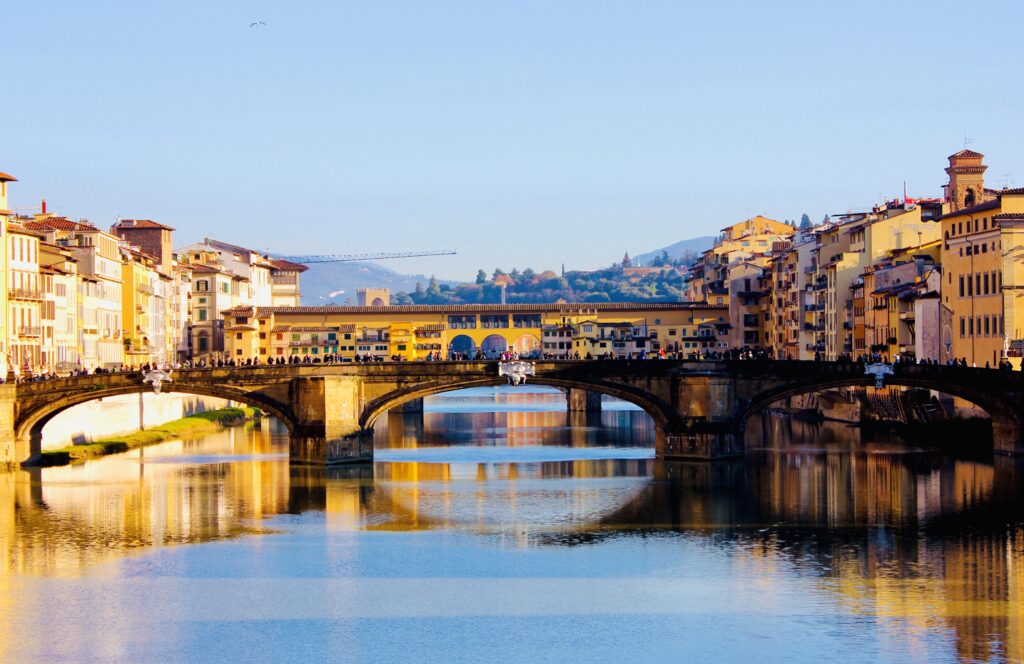
Florence is one of the easiest and most rewarding cities to visit in Italy. Compact, walkable, and overflowing with history, art, and incredible food, Florence is ideal for first-time visitors, families, and travelers who want a deep cultural experience without complicated logistics. Whether you’re visiting for two days or using Florence as a base to explore Tuscany, this city delivers iconic sights alongside charming local moments.
Best Area to Stay
- Historic Center (Duomo / Piazza della Signoria): Best for first-time visitors who want to walk everywhere.
- Oltrarno: A quieter, more local-feeling neighborhood with artisan shops and great restaurants.
- Santa Maria Novella: Convenient for train travel and slightly more budget-friendly
Accommodation Tips
- Florence hotels and apartments book up quickly, especially spring through fall. Start looking up to 1 year in advance
- Elevators are not guaranteed in historic buildings—check listings carefully.
- Apartments can be a great option for families who want space and a kitchen.
- Air conditioning is appreciated in the heat of summer
Hidden Gems in Florence (Worth Adding to Your Itinerary)
- Oltrarno workshops: Traditional artisans still working by hand.
- Boboli Gardens: A peaceful escape behind Pitti Palace.
- San Miniato al Monte: One of the best viewpoints in Florence, especially at sunset.
- Rose Garden (Giardino delle Rose): Free and beautiful in spring.
Day Trips from Florence
- Pisa
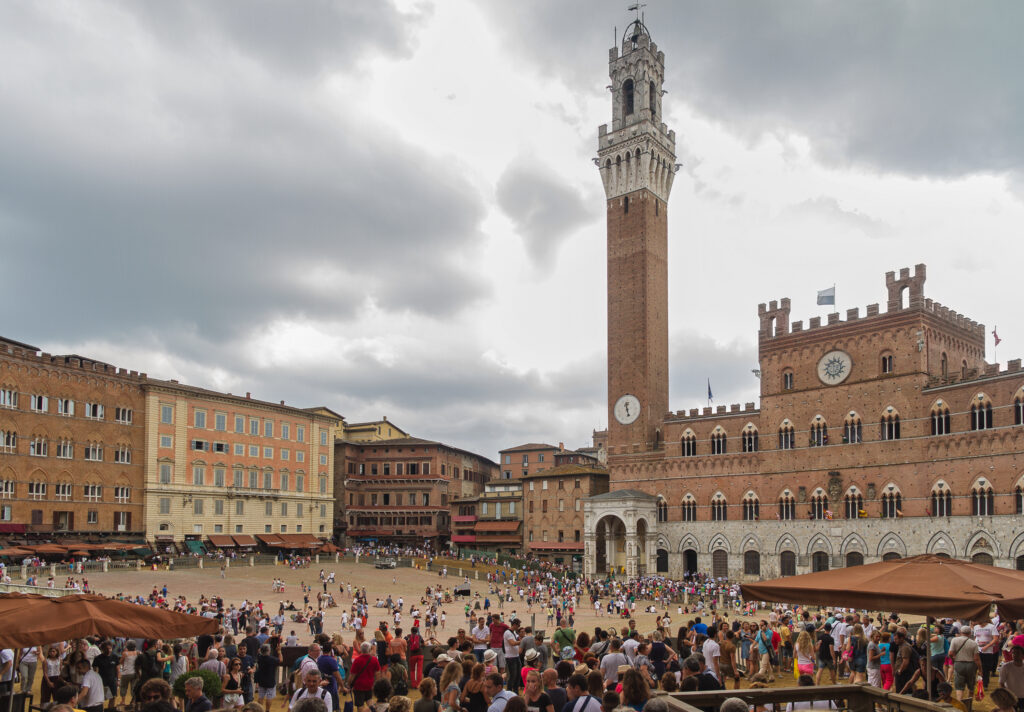
- Siena
- San Gimignano
- Chianti wine region
Trains are ideal for Pisa; rental cars work best for countryside towns.
Important Things to Know Before Visiting Florence
- Dress codes: Churches require covered shoulders and knees.
- Pickpocketing: Be aware in crowded areas.
- Water: Tap water is safe to drink.
Timing matters: Visit major attractions early morning or late afternoon.
Who is Florence Best For
- First-time Italy visitors
- Families with older children
- Art, history, and food lovers
- Travelers who want a walkable city
Must See Attractions:
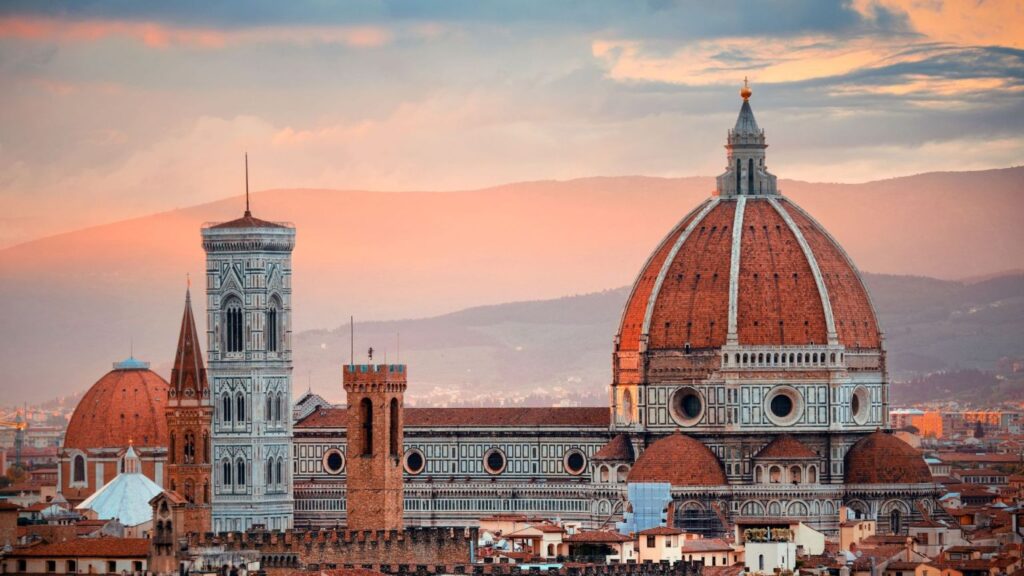
- Climb Brunelleschi’s Dome for sweeping city views.
Visit the cathedral interior, Baptistery, and museum complex
Purchase Dome Tickets in Advance
Book Dome Climb in Advance
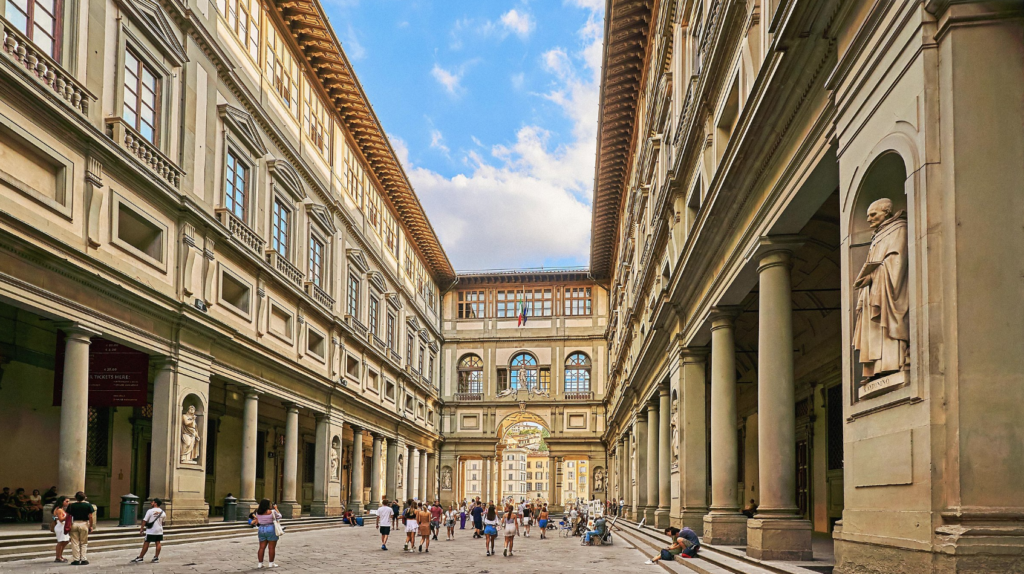
- Home to Botticelli’s Birth of Venus and Renaissance masterpieces.
One of the most visited museums in Italy.
Purchase Tickets in Advance
Book Dome Climb in Advance
Piazza della Signoria
- Open-air museum feel with statues and historic buildings.
No Reservations Needed
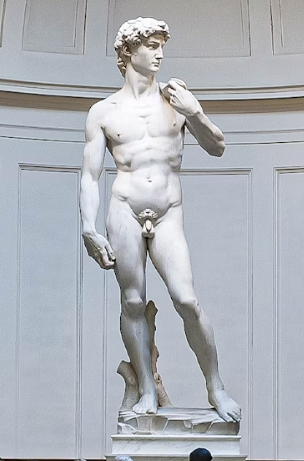
- See Michelangelo’s David, one of the most famous sculptures in the world.
Purchase Tickets in Advance
Rome
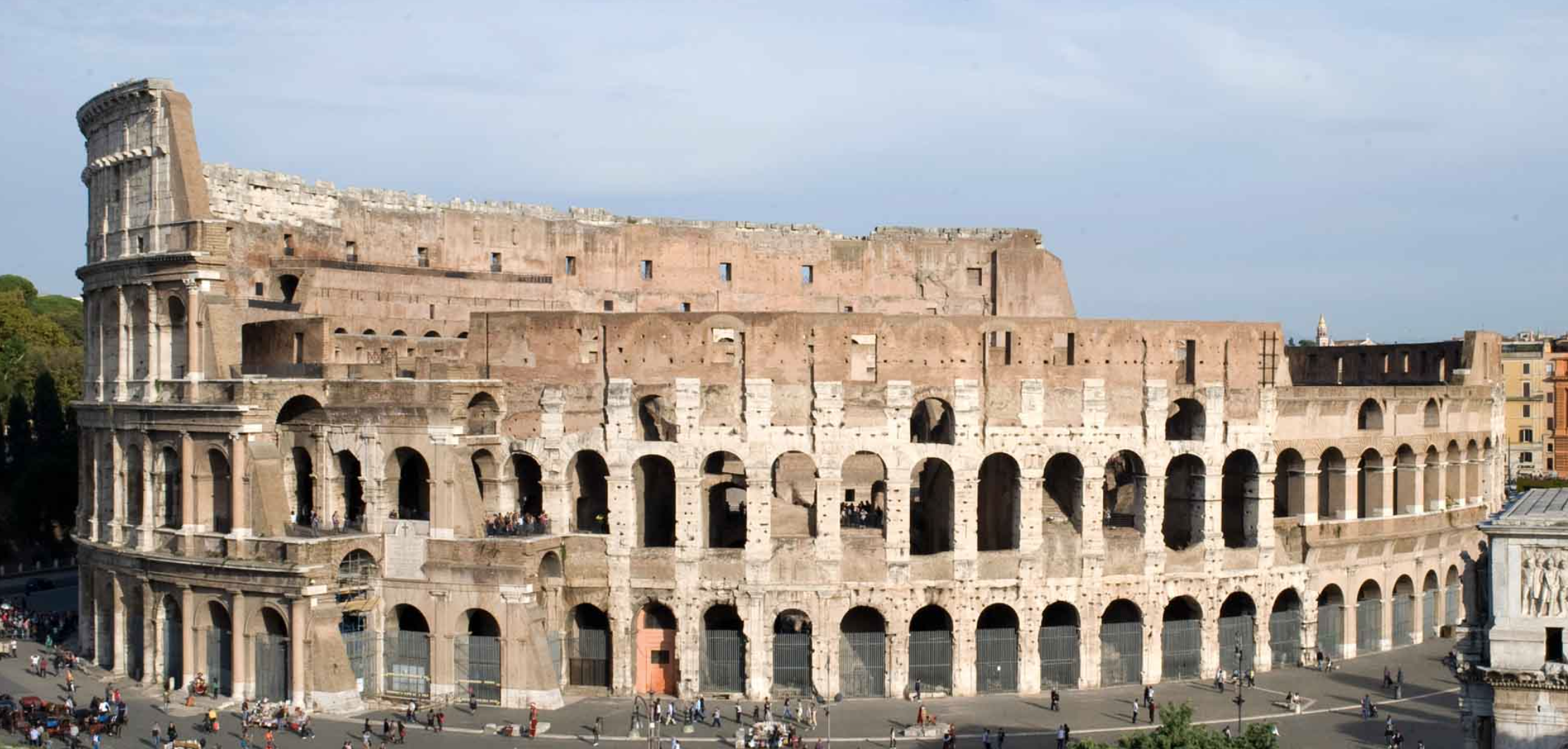
Rome Travel Guide: What to Do, Where to Stay, and Essential Tips for First-Time Visitors
Rome offers an overwhelming amount to see and do, from ancient history and world-class art to vibrant culture and incredible food, which can make it easy to feel unsure about how to prioritize your time. Researching ahead of your trip helps you focus on the experiences that matter most to you, whether that’s major historical sites, museums, neighborhood wandering, or food experiences. Planning in advance not only helps you avoid missing key attractions but also allows you to move through the city with more intention and less stress, making your time in Rome far more enjoyable.
Best Area to Stay
- Historic Center (Pantheon, Piazza Navona): Ideal for first-time visitors who want to walk to major sights.
- Trastevere: Lively, charming neighborhood with great dining and a local feel.
- Vatican / Prati: Quieter, clean, and well-connected by metro.
- Monti: Trendy area near the Colosseum with restaurants and boutique hotels
Accommodation Tips
- Staying centrally saves time and energy.
- Many buildings are historic — check for elevators and air conditioning.
- Apartments are often more comfortable for families.
Budget Tip: Find an accommodation near a Metro stop (not bus stop) to save money and navigate the city easily
Hidden Gems in Rome
- Basilica di San Clemente – A multi-level church revealing layers of Roman history beneath the modern city.
- Aventine Keyhole – A secret viewpoint offering a perfectly framed glimpse of St. Peter’s Basilica.
- Ostia Antica – An ancient Roman port city with remarkably preserved ruins and far fewer crowds than Pompeii.
- Vicus Caprarius (City of Water) – Underground Roman ruins hidden just steps from the Trevi Fountain.
- Palazzo Doria Pamphilj – A private palace museum featuring masterpieces by Caravaggio and other Renaissance artist
Day Trips from Rome
- Florence (Firenze) – Art & Culture 1 hour 30 by high speed train
- Pompeii – Ancient History 1 hour 30 by high speed train/30 min regional train (start early in the day)
- Orvieto – Dramatic views/Town Charm1 hour 30 by local train
- Tivoli – Gardens & Architecture 1 hour by train
- Ostia Antica – Ancient History 30 min local train
Purchase high speed train tickets in advance for Florence, Naples and Pompeii.
Important Things to Know Before Visiting Rome
- Plan Ahead: Many of the city’s top attractions, including the Colosseum, Vatican Museums, Borghese Gallery, and Pantheon, require advance reservations and often sell out
- Dress Code: Churches require covered knees and shoulders
- Pickpocketing: Be aware in crowded areas.
- Water: Rome has free public drinking fountains throughout the city, making a reusable water bottle very useful.
- Public restrooms: They are limited in Rome, and it’s common to need to purchase a coffee or small item at a café in order to use the bathroom
- Timing matters: Visit major attractions early morning or late afternoon during the heat of summer.
- Dining: Avoid restaurants directly in front of major landmarks, as they are often more expensive and geared toward tourists. For better food at lower prices, walk a few blocks away or dine in neighborhood areas like Trastevere, which our family especially loved for its atmosphere and quality restaurants.
Who is Rome Best For
Rome is ideal for travelers who love history, art, and culture, offering a wealth of ancient ruins, world-class museums, and iconic architecture. It’s perfect for families who enjoy exploring at a walking pace, with plenty of piazzas, gelato stops, and kid-friendly sights like the Colosseum. Food lovers will also thrive, from traditional trattorias to bustling markets and neighborhood gems. While first-time visitors can easily fill a week with must-see highlights, repeat travelers or those with specific interests in art, architecture, or Roman history can enjoy discovering hidden gems and lesser-known neighborhoods.
Must See Attractions:
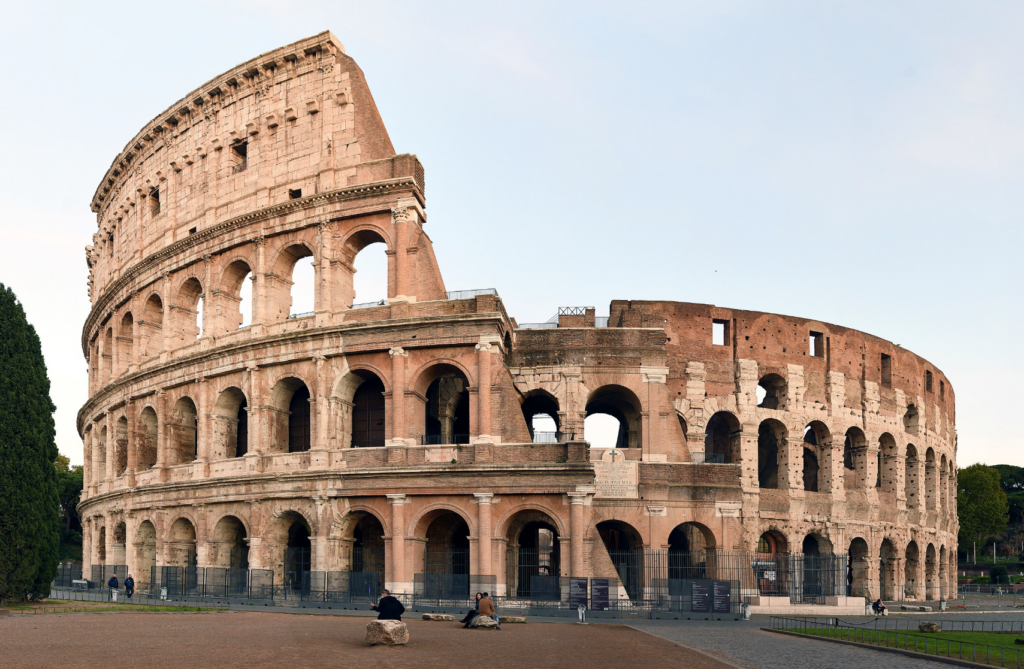
- Explore ancient Rome’s most iconic ruins.
- Combined ticket covers all three sites.
- During peak season and the heat of summer, plan tours early in the morning or late evening
- Skip-the-Line passes are worth it
Purchase Tickets in Advance Direct or through higly rated vendors
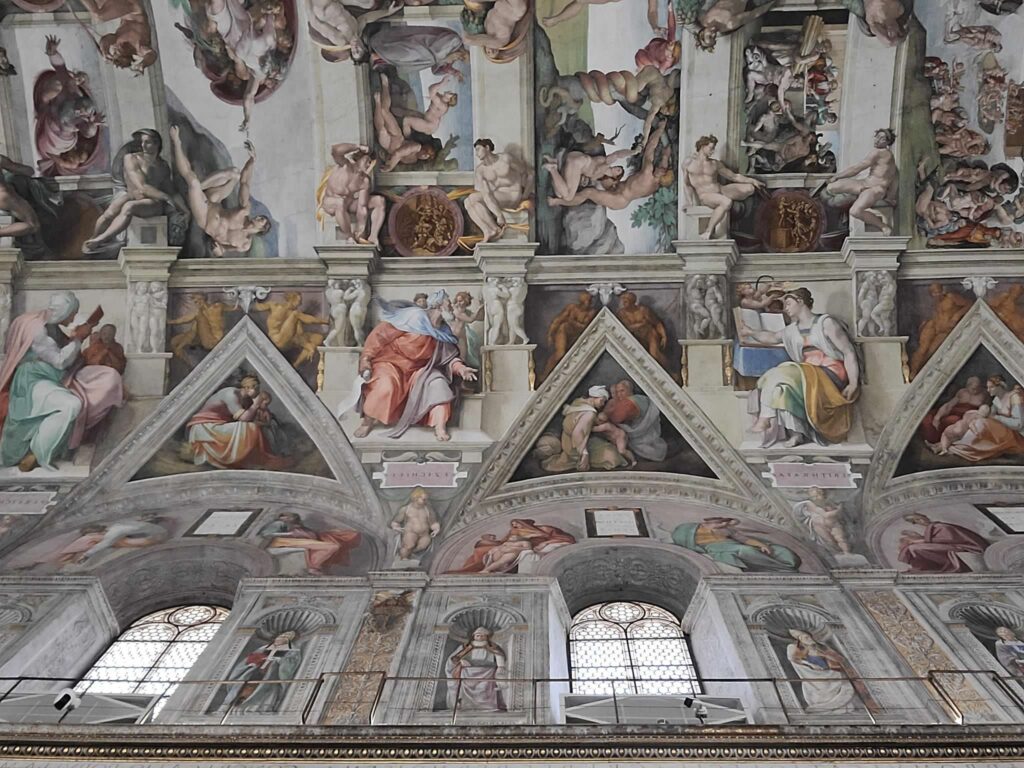
- Book tickets in advance: Skip-the-line tickets or guided tours are highly recommended, as lines can be very long.
- Arrive early: Morning visits are generally less crowded; late afternoons can be busy but often quieter near the end of the day.
- Dress appropriately: Shoulders and knees must be covered in all Vatican sites, including St. Peter’s Basilica and the Sistine Chapel.
- No photos in the Sistine Chapel: Photography is strictly prohibited, so enjoy the art without distractions.
- Accessibility: Elevators are available for those with mobility issues, but some areas still require stairs.
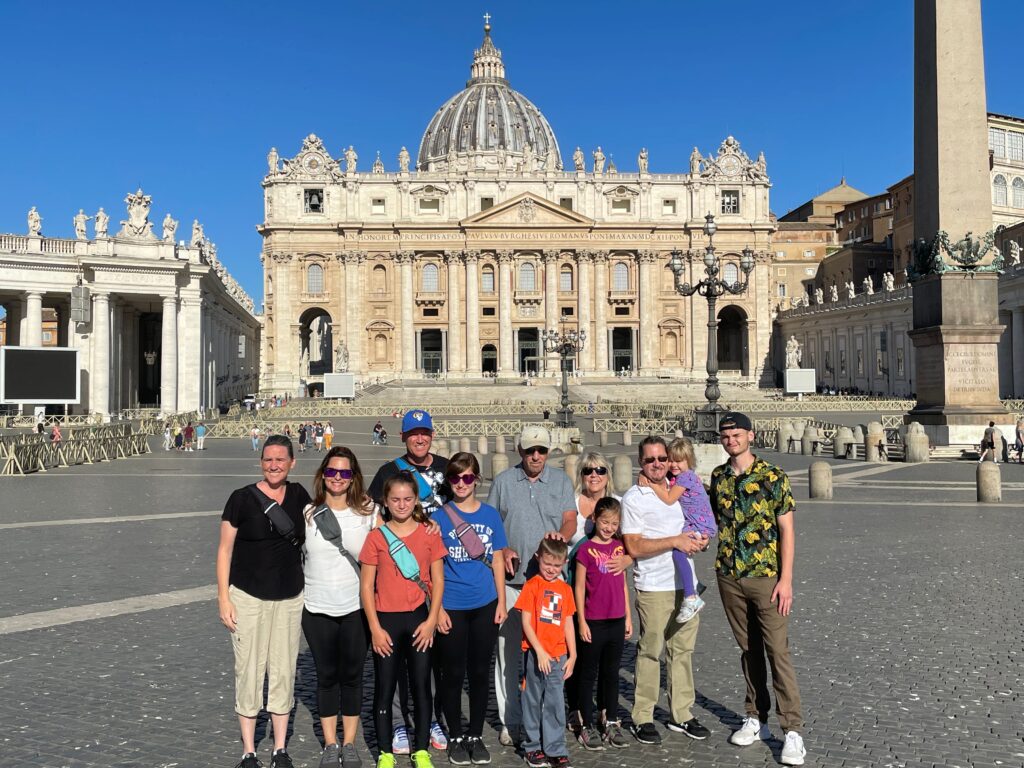
- Entry is free, but lines can be long: Arrive early to avoid crowds, especially on weekends
- Dress code: Shoulders and knees must be covered. Hats should be removed inside.
- Climb the dome: For a fee, you can climb to the top for panoramic views of Rome and Vatican City.
- Plan 1–2 hours: Time to explore the nave, chapels, and Michelangelo’s Pietà.
- Accessibility: Elevators are available partway up the dome, but some stairs are unavoidable.
- Entry: The Pantheon now charges a small admission fee; get tickets online ahead of time
- Plan 30–60 minutes: Enough time to admire the architecture, the dome, and tombs of notable figures like Raphael.
- Dress respectfully: Although not a working church during most visits, modest attire is appreciated.
- Photography: Allowed inside, but be mindful of other visitors and services.
- Combine nearby sights: Piazza della Rotonda and surrounding cafes make it easy to rest and enjoy the area. unavoidable.
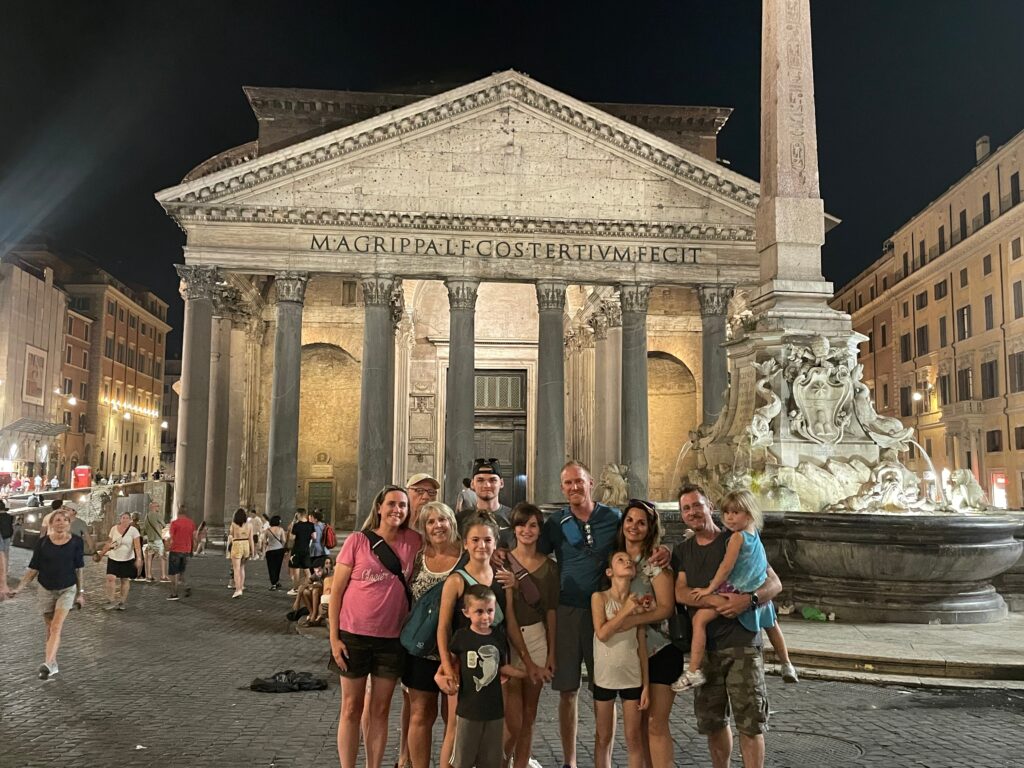
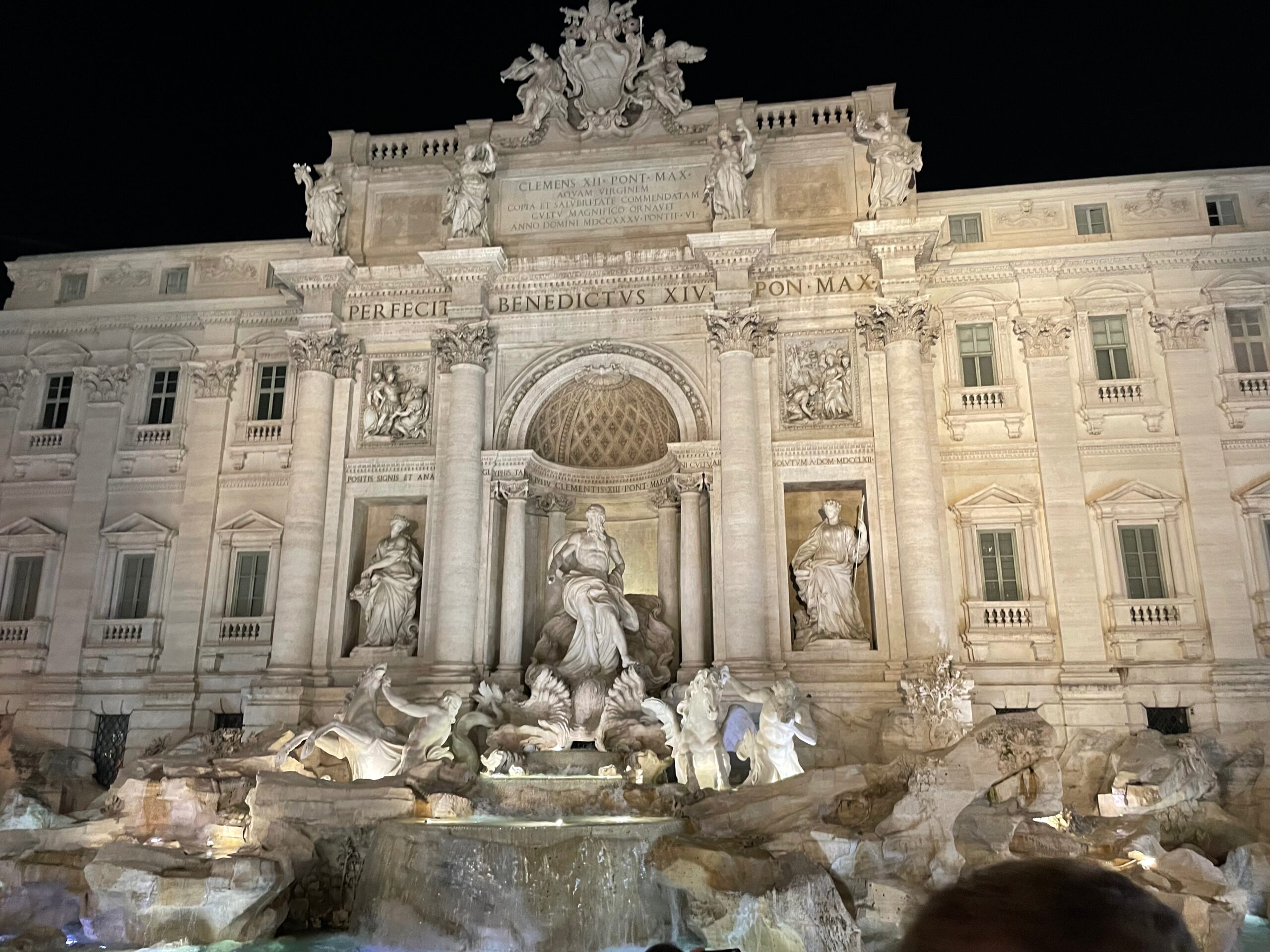
- Free to visit: There is no admission fee, and the fountain is open to the public at all hours.
- Best time to visit: Early morning for smaller crowds and better photos; midday is extremely busy.
- Coin tradition: Toss one coin with your right hand over your left shoulder to ensure a return trip to Rome.
- Crowds: The area is almost always crowded—be patient and stay alert for pickpockets.
- Rules: Sitting on the fountain, entering the water, or eating nearby can result in fines.
- Photography: Photos are allowed, but clear shots may require waiting or visiting during off-hours.
Purchase Tickets in Advance
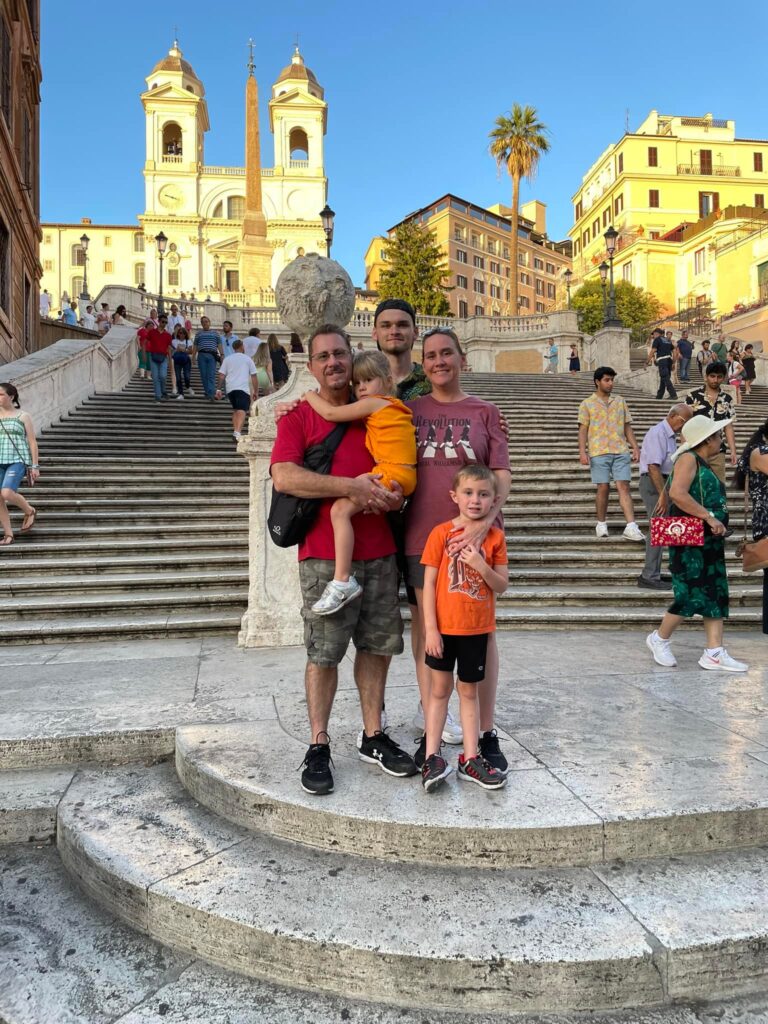
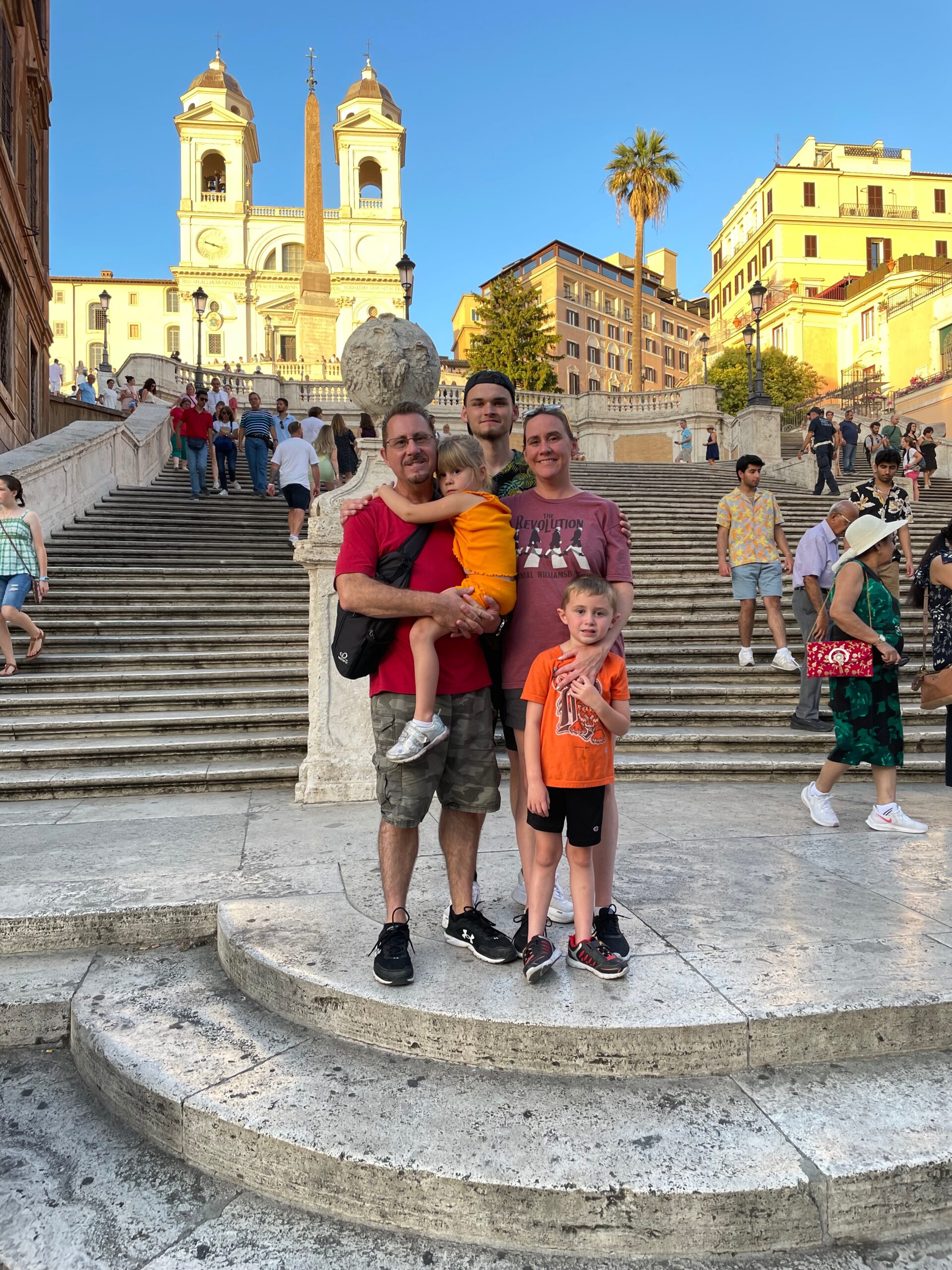
- Free to visit: There is no admission fee, and the steps are open to the public throughout the day.
- No sitting allowed: Sitting, eating, or lingering on the steps is prohibited and can result in fines.
- Best times to visit: Early morning or late evening for fewer crowds and better photos.
- Photography: Photos are allowed, but the area is often busy; patience is required for unobstructed shots.
Accessibility: The steps are not wheelchair accessible, but nearby areas are flat and walkable.
Amalfi Coast
Amalfi Coast Travel Guide: What to Do, Where to Stay, and Essential Tips for First-Time Visitors
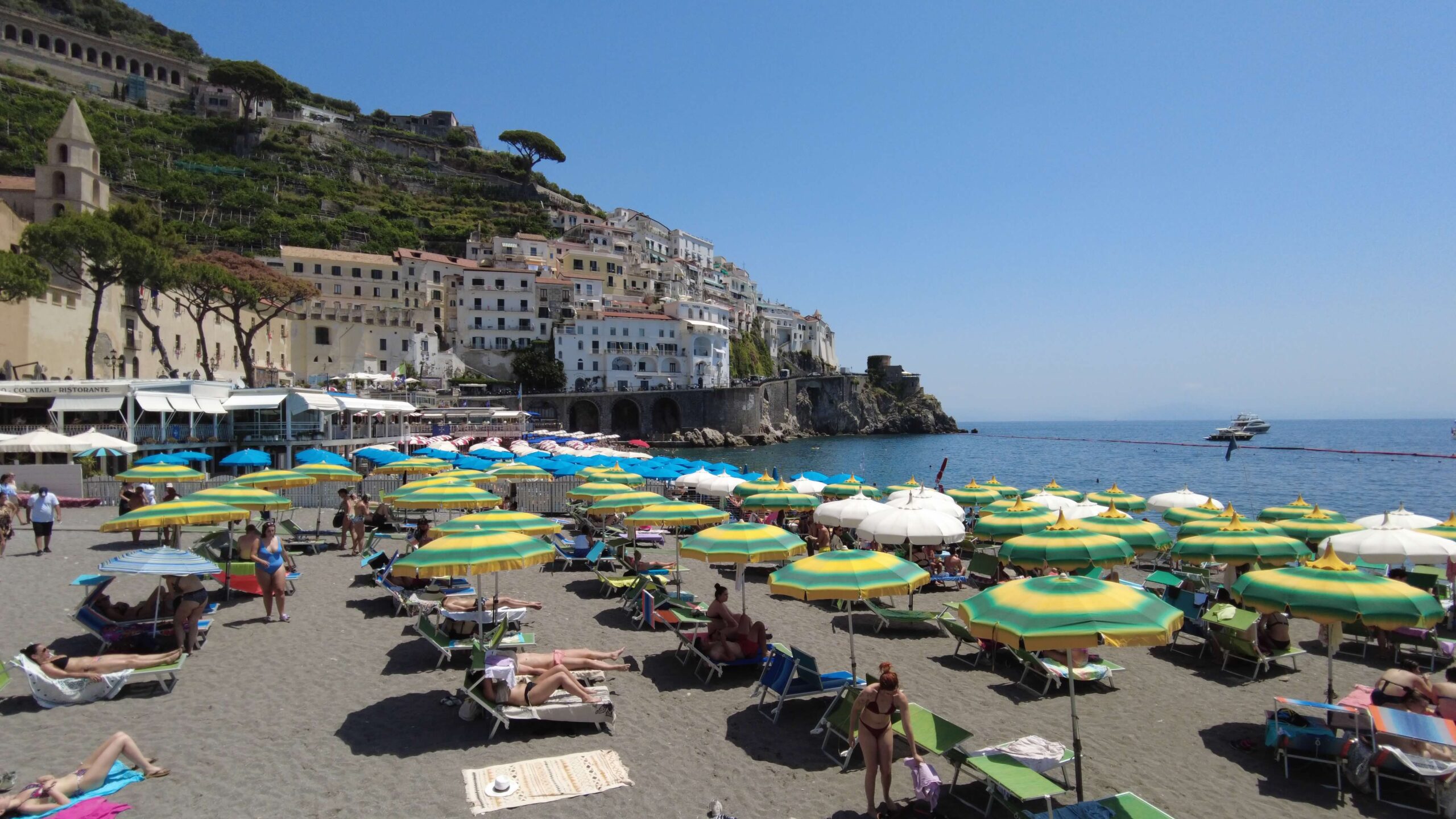
The Amalfi Coast is one of Italy’s most breathtaking destinations, known for its dramatic coastline, colorful cliffside towns, and unforgettable views. This guide covers what to do, where to stay, the best day trips, and essential tips to help first-time visitors plan a smooth and memorable trip.
Best Area to Stay
- Sorrento: Ideal for first-time visitors. Well connected by train and ferry, more affordable accommodations, and a great base for day trips to Capri, Pompeii, and the Amalfi Coast.
- Positano: Iconic and romantic with dramatic cliffside views, but steep, crowded, and expensive. Best for short stays.
- Amalfi Town: Central location with ferry access and a quieter feel than Positano.
- Ravello: Peaceful and scenic, perched above the coast with incredible views; best for relaxation rather than sightseeing.
Accommodation Tips
- Book early, especially for April–October, as availability fills quickly.
- Look for hotels near transport hubs (train station or ferry port) to reduce walking on steep hills.
- If traveling as a family, consider Sorrento hotels or apartments for larger rooms and easier logistics.
- Verify if accommodations include porter service, as many hotels require carrying luggage up stairs.
Hidden Gems On Amalfi Coast
- Marina Grande (Sorrento): A charming fishing village with local restaurants and a relaxed beach vibe.
- Bagni della Regina Giovanna: Natural swimming pools with ruins and clear water just outside Sorrento.
- Atrani: One of Italy’s smallest towns, authentic and far less crowded than neighboring Amalfi.
- Nerano: Known for excellent local cuisine, including the famous spaghetti alla Nerano.
Day Trips from Amalfi Coast
- Capri: Blue Grotto, Faraglioni rocks, shopping, and coastal views (ferry from Sorrento).
- Pompeii & Herculaneum: Easy train ride to two of Italy’s most fascinating archaeological sites.
- Positano & Amalfi by Ferry: Scenic, stress-free way to explore the coast without driving.
Mount Vesuvius: Combine with Pompeii for history and panoramic views of the Bay of Naples.
Important Things to Know Before Visiting Amalfi Coast
- The Amalfi Coast is not car-friendly; ferries and trains are often easier than driving.
- Expect lots of walking and stairs, especially in Positano and Amalfi towns.
- Summer months (June–August) are hot and crowded; May, September, and early October offer the best balance.
- Dining and transportation often move slower — embrace the relaxed pace.
Who is Amalfi Coast Best For
- Families looking for convenience, space, and easy transportation.
- First-time visitors to southern Italy who want a central base.
- Travelers interested in history, food, and coastal scenery without constant hotel changes.Those who want Amalfi Coast beauty with fewer crowds and lower prices.
Must See Attractions:
- Explore ancient Rome’s most iconic ruins.
- Combined ticket covers all three sites.
- During peak season and the heat of summer, plan tours early in the morning or late evening
- Skip-the-Line passes are worth it
Purchase Tickets in Advance Direct or through higly rated vendors
- Book tickets in advance: Skip-the-line tickets or guided tours are highly recommended, as lines can be very long.
- Arrive early: Morning visits are generally less crowded; late afternoons can be busy but often quieter near the end of the day.
- Dress appropriately: Shoulders and knees must be covered in all Vatican sites, including St. Peter’s Basilica and the Sistine Chapel.
- No photos in the Sistine Chapel: Photography is strictly prohibited, so enjoy the art without distractions.
- Accessibility: Elevators are available for those with mobility issues, but some areas still require stairs.

- Entry is free, but lines can be long: Arrive early to avoid crowds, especially on weekends
- Dress code: Shoulders and knees must be covered. Hats should be removed inside.
- Climb the dome: For a fee, you can climb to the top for panoramic views of Rome and Vatican City.
- Plan 1–2 hours: Time to explore the nave, chapels, and Michelangelo’s Pietà.
- Accessibility: Elevators are available partway up the dome, but some stairs are unavoidable.
- Entry: The Pantheon now charges a small admission fee; get tickets online ahead of time
- Plan 30–60 minutes: Enough time to admire the architecture, the dome, and tombs of notable figures like Raphael.
- Dress respectfully: Although not a working church during most visits, modest attire is appreciated.
- Photography: Allowed inside, but be mindful of other visitors and services.
- Combine nearby sights: Piazza della Rotonda and surrounding cafes make it easy to rest and enjoy the area. unavoidable.
- Free to visit: There is no admission fee, and the fountain is open to the public at all hours.
- Best time to visit: Early morning for smaller crowds and better photos; midday is extremely busy.
- Coin tradition: Toss one coin with your right hand over your left shoulder to ensure a return trip to Rome.
- Crowds: The area is almost always crowded—be patient and stay alert for pickpockets.
- Rules: Sitting on the fountain, entering the water, or eating nearby can result in fines.
- Photography: Photos are allowed, but clear shots may require waiting or visiting during off-hours.
Purchase Tickets in Advance
- Free to visit: There is no admission fee, and the steps are open to the public throughout the day.
- No sitting allowed: Sitting, eating, or lingering on the steps is prohibited and can result in fines.
- Best times to visit: Early morning or late evening for fewer crowds and better photos.
- Photography: Photos are allowed, but the area is often busy; patience is required for unobstructed shots.
Accessibility: The steps are not wheelchair accessible, but nearby areas are flat and walkable.
Venice
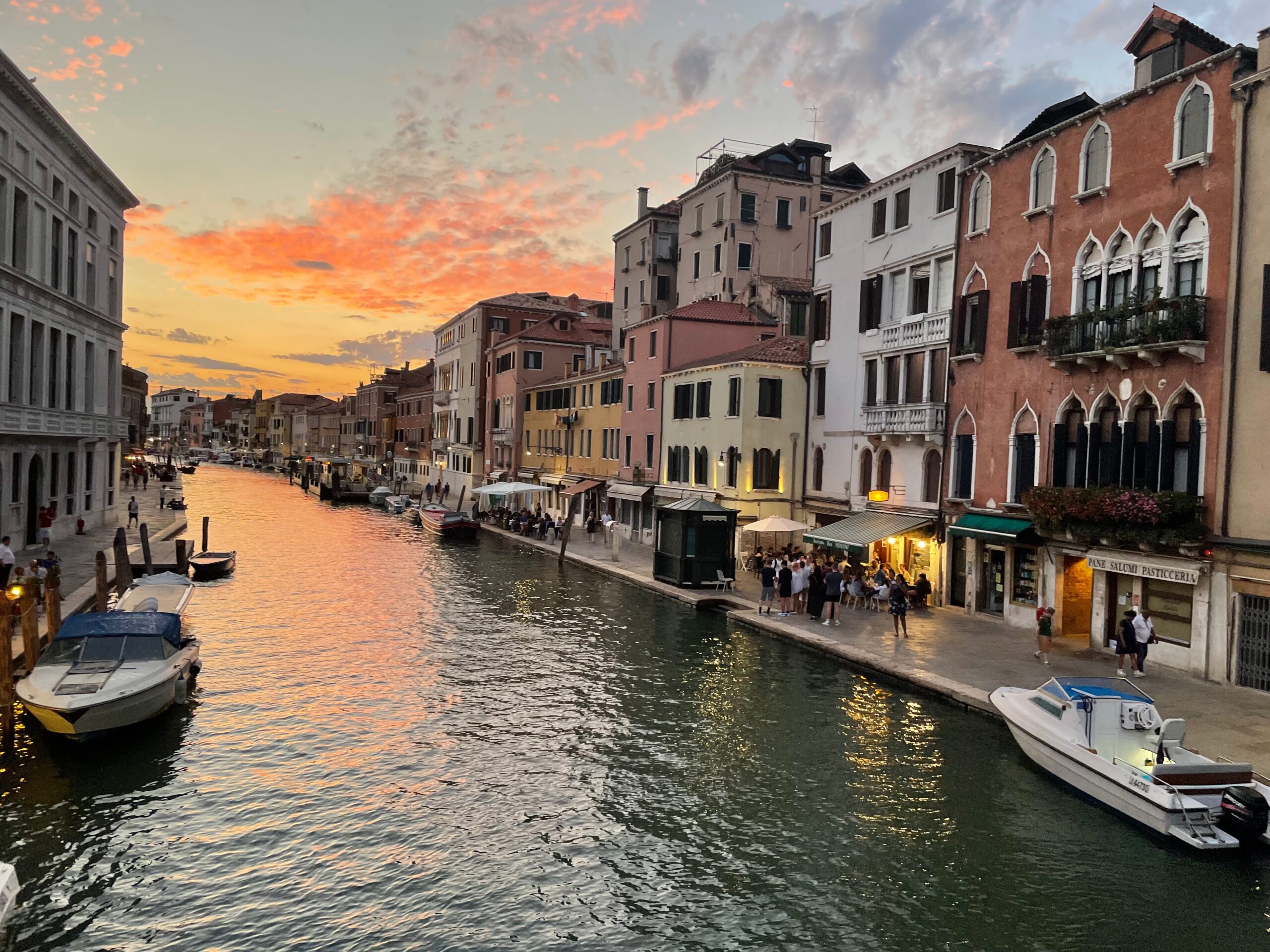
Florence Travel Guide: What to Do, Where to Stay, and Essential Tips for First-Time Visitors
Florence is one of the easiest and most rewarding cities to visit in Italy. Compact, walkable, and overflowing with history, art, and incredible food, Florence is ideal for first-time visitors, families, and travelers who want a deep cultural experience without complicated logistics. Whether you’re visiting for two days or using Florence as a base to explore Tuscany, this city delivers iconic sights alongside charming local moments.
Best Area to Stay
- Historic Center (Duomo / Piazza della Signoria): Best for first-time visitors who want to walk everywhere.
- Oltrarno: A quieter, more local-feeling neighborhood with artisan shops and great restaurants.
- Santa Maria Novella: Convenient for train travel and slightly more budget-friendly
Accommodation Tips
- Florence hotels and apartments book up quickly, especially spring through fall.
- Elevators are not guaranteed in historic buildings—check listings carefully.
Apartments can be a great option for families who want space and a kitchen.
Hidden Gems in Florence (Worth Adding to Your Itinerary)
- Oltrarno workshops: Traditional artisans still working by hand.
- Boboli Gardens: A peaceful escape behind Pitti Palace.
- San Miniato al Monte: One of the best viewpoints in Florence, especially at sunset.
- Rose Garden (Giardino delle Rose): Free and beautiful in spring.
Day Trips from Florence
- Pisa
- Siena
- San Gimignano
- Chianti wine region
Trains are ideal for Pisa; rental cars work best for countryside towns.
Important Things to Know Before Visiting Florence
- Dress codes: Churches require covered shoulders and knees.
- Pickpocketing: Be aware in crowded areas.
- Water: Tap water is safe to drink.
Timing matters: Visit major attractions early morning or late afternoon.
Who is Florence Best For
- First-time Italy visitors
- Families with older children
- Art, history, and food lovers
- Travelers who want a walkable city
Must See Attractions:
- Climb Brunelleschi’s Dome for sweeping city views.
Visit the cathedral interior, Baptistery, and museum complex
Purchase Dome Tickets in Advance
Book Dome Climb in Advance
- Home to Botticelli’s Birth of Venus and Renaissance masterpieces.
One of the most visited museums in Italy.
Purchase Tickets in Advance
Book Dome Climb in Advance
Piazza della Signoria
- Open-air museum feel with statues and historic buildings.
No Reservations Needed
- See Michelangelo’s David, one of the most famous sculptures in the world.
Purchase Tickets in Advance
Cinque Terre
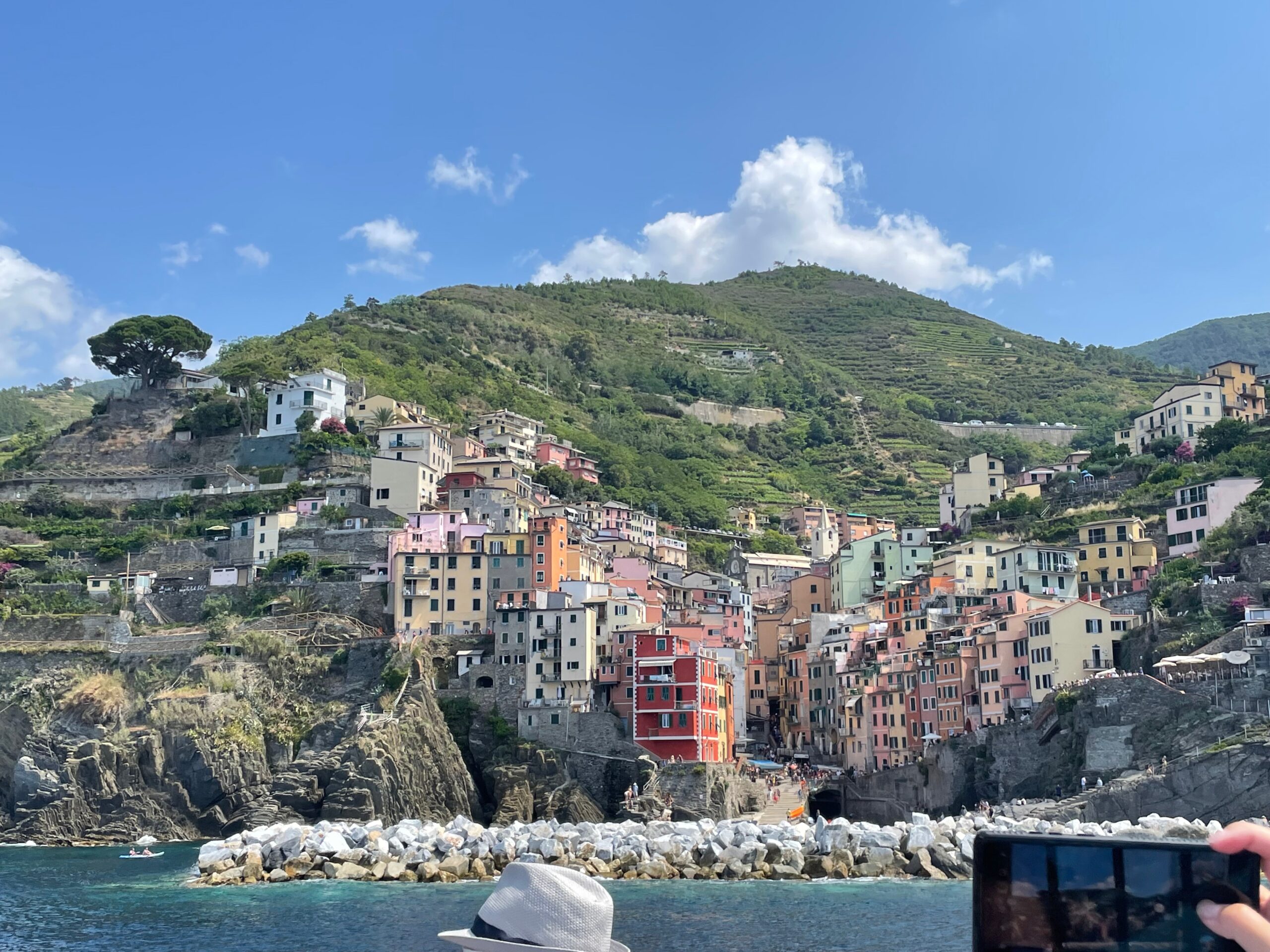
Florence Travel Guide: What to Do, Where to Stay, and Essential Tips for First-Time Visitors
Florence is one of the easiest and most rewarding cities to visit in Italy. Compact, walkable, and overflowing with history, art, and incredible food, Florence is ideal for first-time visitors, families, and travelers who want a deep cultural experience without complicated logistics. Whether you’re visiting for two days or using Florence as a base to explore Tuscany, this city delivers iconic sights alongside charming local moments.
Best Area to Stay
- Historic Center (Duomo / Piazza della Signoria): Best for first-time visitors who want to walk everywhere.
- Oltrarno: A quieter, more local-feeling neighborhood with artisan shops and great restaurants.
- Santa Maria Novella: Convenient for train travel and slightly more budget-friendly
Accommodation Tips
- Florence hotels and apartments book up quickly, especially spring through fall.
- Elevators are not guaranteed in historic buildings—check listings carefully.
Apartments can be a great option for families who want space and a kitchen.
Hidden Gems in Florence (Worth Adding to Your Itinerary)
- Oltrarno workshops: Traditional artisans still working by hand.
- Boboli Gardens: A peaceful escape behind Pitti Palace.
- San Miniato al Monte: One of the best viewpoints in Florence, especially at sunset.
- Rose Garden (Giardino delle Rose): Free and beautiful in spring.
Day Trips from Florence
- Pisa
- Siena
- San Gimignano
- Chianti wine region
Trains are ideal for Pisa; rental cars work best for countryside towns.
Important Things to Know Before Visiting Florence
- Dress codes: Churches require covered shoulders and knees.
- Pickpocketing: Be aware in crowded areas.
- Water: Tap water is safe to drink.
Timing matters: Visit major attractions early morning or late afternoon.
Who is Florence Best For
- First-time Italy visitors
- Families with older children
- Art, history, and food lovers
- Travelers who want a walkable city
Must See Attractions:
- Climb Brunelleschi’s Dome for sweeping city views.
Visit the cathedral interior, Baptistery, and museum complex
Purchase Dome Tickets in Advance
Book Dome Climb in Advance
- Home to Botticelli’s Birth of Venus and Renaissance masterpieces.
One of the most visited museums in Italy.
Purchase Tickets in Advance
Book Dome Climb in Advance
Piazza della Signoria
- Open-air museum feel with statues and historic buildings.
No Reservations Needed
- See Michelangelo’s David, one of the most famous sculptures in the world.
Purchase Tickets in Advance
Milan
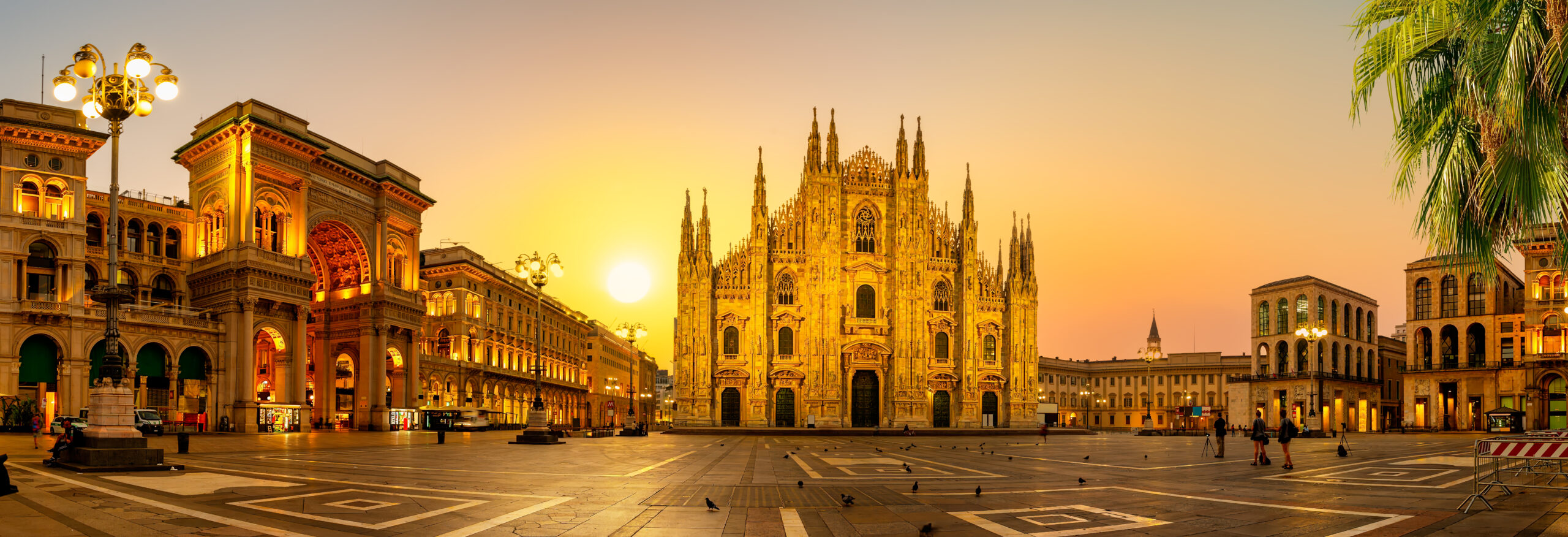
Milan Travel Guide: What to Do, Where to Stay, and Essential Tips for First-Time Visitors
Florence is one of the easiest and most rewarding cities to visit in Italy. Compact, walkable, and overflowing with history, art, and incredible food, Florence is ideal for first-time visitors, families, and travelers who want a deep cultural experience without complicated logistics. Whether you’re visiting for two days or using Florence as a base to explore Tuscany, this city delivers iconic sights alongside charming local moments.
Best Area to Stay
- Historic Center (Duomo / Piazza della Signoria): Best for first-time visitors who want to walk everywhere.
- Oltrarno: A quieter, more local-feeling neighborhood with artisan shops and great restaurants.
- Santa Maria Novella: Convenient for train travel and slightly more budget-friendly
Accommodation Tips
- Florence hotels and apartments book up quickly, especially spring through fall.
- Elevators are not guaranteed in historic buildings—check listings carefully.
Apartments can be a great option for families who want space and a kitchen.
Hidden Gems in Florence (Worth Adding to Your Itinerary)
- Oltrarno workshops: Traditional artisans still working by hand.
- Boboli Gardens: A peaceful escape behind Pitti Palace.
- San Miniato al Monte: One of the best viewpoints in Florence, especially at sunset.
- Rose Garden (Giardino delle Rose): Free and beautiful in spring.
Day Trips from Florence
- Pisa
- Siena
- San Gimignano
- Chianti wine region
Trains are ideal for Pisa; rental cars work best for countryside towns.
Important Things to Know Before Visiting Florence
- Dress codes: Churches require covered shoulders and knees.
- Pickpocketing: Be aware in crowded areas.
- Water: Tap water is safe to drink.
Timing matters: Visit major attractions early morning or late afternoon.
Who is Florence Best For
- First-time Italy visitors
- Families with older children
- Art, history, and food lovers
- Travelers who want a walkable city
Must See Attractions:
- Climb Brunelleschi’s Dome for sweeping city views.
Visit the cathedral interior, Baptistery, and museum complex
Purchase Dome Tickets in Advance
Book Dome Climb in Advance
- Home to Botticelli’s Birth of Venus and Renaissance masterpieces.
One of the most visited museums in Italy.
Purchase Tickets in Advance
Book Dome Climb in Advance
Piazza della Signoria
- Open-air museum feel with statues and historic buildings.
No Reservations Needed
- See Michelangelo’s David, one of the most famous sculptures in the world.
Purchase Tickets in Advance