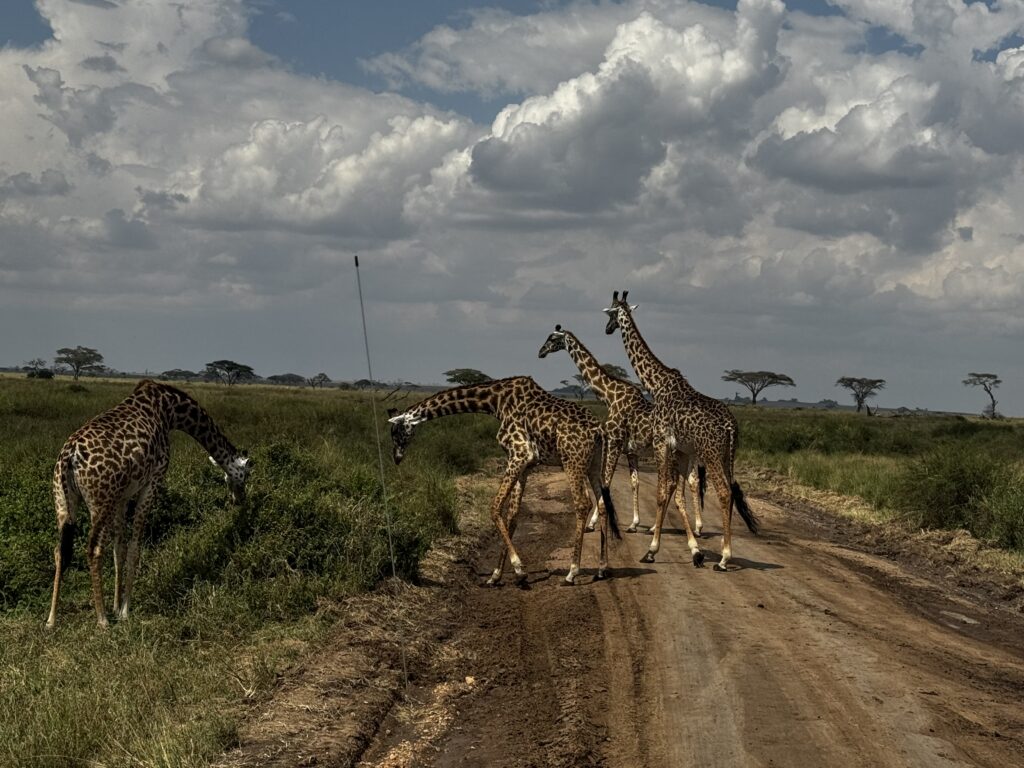
Wildlife Safari in Tanzania
Travelers Cheat Sheet
- Language: Swahili/English
- Currency: Tanzanian Shilling (TZS)
- Best Time to Travel: June-October
- Time Zone: EAT (UTC+3)
- International Airport:Julius Nyerere International Airport (DAR) in Dar es Salaam
- Popular Cities: Dar es Salaam, Arusha, Mwanza, towns near the Serengeti
- Transportation: domestic flights (especially for safari circuits), 4×4 drives to parks
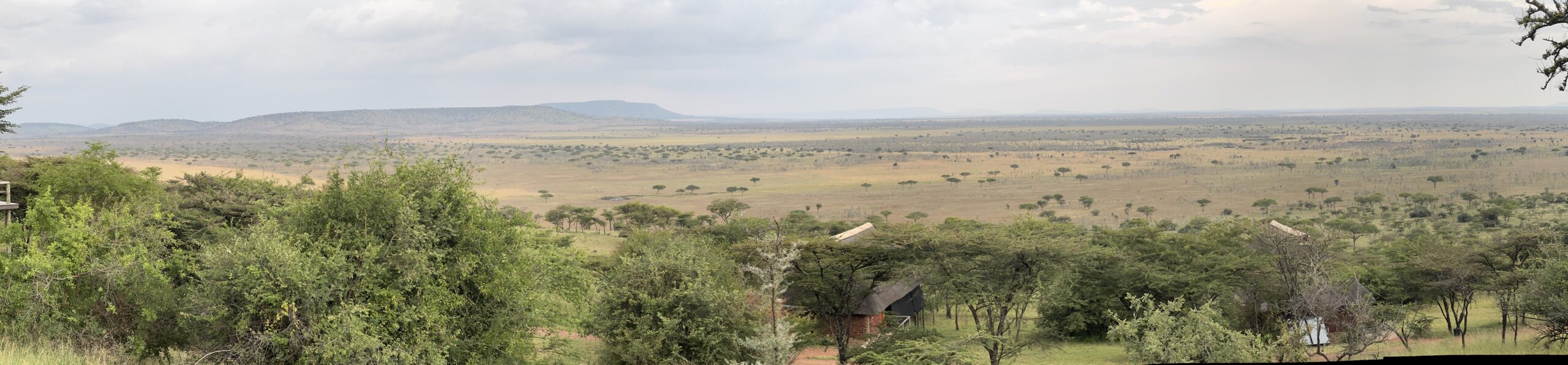
What to expect in the Serengeti
Accommodations in Arusha
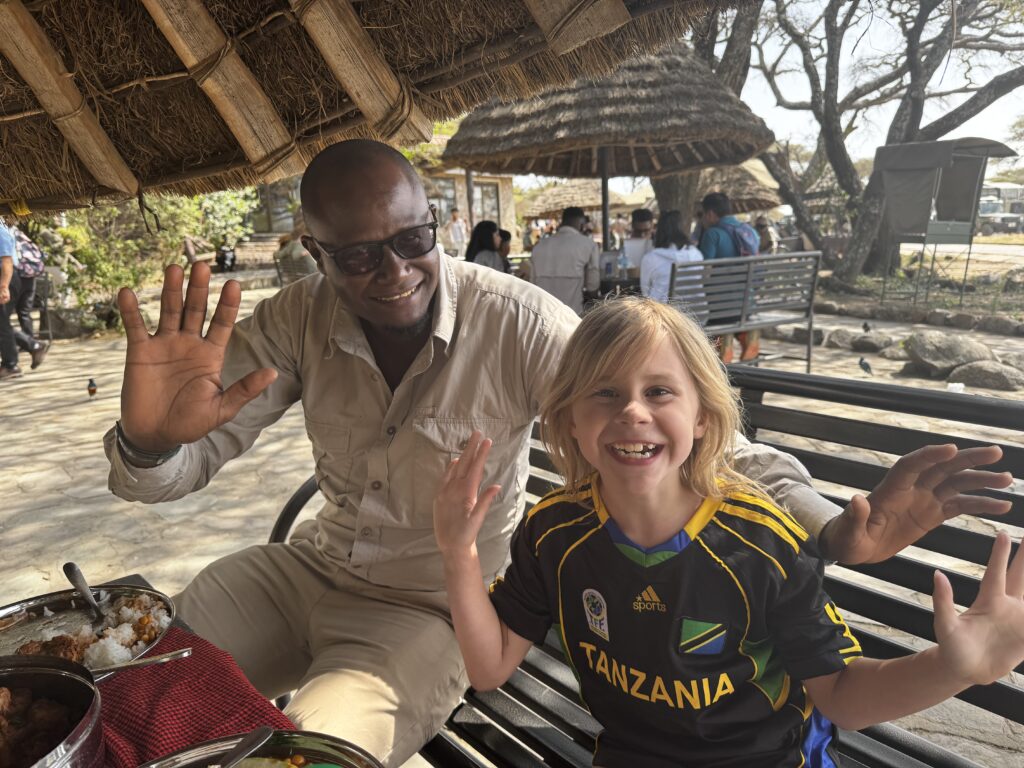
Arusha serves as the main gateway to the northern safari circuit. You’ll find everything from boutique lodges and eco-resorts to family-friendly hotels. Many visitors stay one night here to rest and adjust before heading into the parks. Choose a lodge that offers secure transport, good meals, and proximity to Arusha Airport or Kilimanjaro International Airport.
Accommodations In the Serengeti
Inside the Serengeti, accommodations range from luxury tented camps to more budget-friendly mobile camps, all offering incredible proximity to wildlife. Most safari companies include lodging in their packages, and many camps offer family suites, on-site dining, and guided evening experiences.
⭐ Tip: Consider staying in different parts of the park (Central, Western, or Northern Serengeti) to see varied wildlife and landscapes.
Plugs and Power
Tanzania uses Type D and G plugs, with 230V and 50Hz electricity.
💡 Bring a universal power adapter — it’ll come in handy for charging cameras and phones at lodges where outlets can be limited.
Water and Food Safety
Drink only bottled or filtered water from reputable sources, and avoid ice unless you’re sure it’s made with purified water. When it comes to food, enjoy the local cuisine but avoid raw or unpeeled fruits and vegetables unless you’ve washed or peeled them yourself.
Many lodges use safe food-handling practices, and it’s common for safari companies to provide bottled water throughout your trip.
Health and Vaccines
Before traveling, check current vaccine requirements — most travelers should be up to date on routine vaccinations and consider typhoid, hepatitis A and B. Depending on which country you are traveling from, Yellow Fever may be required. Malaria prevention is highly recommended, so consult your doctor about prophylactic medication. Pack essentials like insect repellent, sunscreen, motion sickness tablets, and basic first aid.
Getting your Visa and Cash on Arrival
Most travelers can obtain a Tanzanian visa on arrival or apply online for an eVisa before departure. U.S. citizens typically pay $100 USD for a single-entry visa. Cash is accepted at the airport (bring clean, undamaged U.S. bills), but having a credit card handy is helpful for backup. ATMs are available in major cities, though not in remote safari areas, so carry enough cash before you depart Arusha.
Flights to the Safari Region
If you’re flying into Dar es Salaam (DAR), the easiest way to reach the Serengeti is by connecting flight to Arusha (ARK) or Kilimanjaro International Airport (JRO). From there, you can continue by small bush plane to the Serengeti airstrips or travel by road.
✈️ My recommendation: Fly with FlightLink — a reliable local airline known for great service and easy connections between Dar es Salaam, Arusha, Zanzibar, and Serengeti National Park.
What to Wear
Pack lightweight, neutral-colored clothing (khaki, beige, olive) to blend with the environment. Long sleeves and pants help protect against sun and insects.
☀️ Bring a wide-brimmed hat, sunscreen, and a light jacket for early morning game drives — it can be chilly before sunrise! Avoid bright colors and camouflage (which is reserved for the military)
Types of Safaris
Tanzania offers a wide variety of safari styles — from private 4×4 safaris to group tours, walking safaris, and even hot-air balloon rides over the Serengeti. For families, a private guided safari provides flexibility, comfort, and a personalized experience with knowledgeable local guides.
Cash, Credit Cards, and tipping
Credit cards are accepted at most lodges and hotels, but cash (Tanzanian Shillings or clean U.S. dollars) is best for tipping and small purchases. Tipping is customary — expect to tip your safari driver-guide about $10–$20 per person per day, and smaller amounts for lodge staff. ATMs are available in Arusha and larger towns, but not inside the parks. Be sure to watch our video for Tipping on a Safari before going.
Language
The official languages are Swahili and English, and most people working in tourism speak English well. Learning a few basic Swahili phrases (like asante for “thank you”) goes a long way and is always appreciated.
Connectivity and SIM Cards
International plans through AT&T, Verizon, and T-Mobile worked surprisingly well — even in parts of the Serengeti! However, coverage can be spotty in remote areas.
📱 If you prefer a local SIM, Vodacom and Airtel are the most reliable providers for travelers. Many lodges also offer limited Wi-Fi service.