- North Cascades National Park alpine scenery without heavy crowds
- Deception Pass State Park viewpoints and beaches
- Leavenworth Bavarian-style mountain town
- The Palouse rolling hills in eastern Washington
- Long Beach Peninsula for quieter coastal views
- Lake Chelan for relaxed lakeside time
Fort Worden Historical State Park near Port Townsend
Washington
Know Before You Go
📅 Best Time to Visit
The best time to visit Washington is late June through September, when weather is warmest and mountain roads and hiking trails are fully accessible. July and August offer the most reliable sunshine but also the largest crowds, particularly in Mount Rainier National Park and Olympic National Park. For fewer crowds and beautiful scenery, early fall (September) is an excellent shoulder season. Spring brings lush greenery and waterfalls but can be rainy, especially on the western side of the state. Winter is ideal mainly for skiing in the Cascades.
🧭 Regions of the State
Washington divides into several distinct travel regions. Puget Sound & Seattle area offers urban culture, waterfront views, and ferry access. The Olympic Peninsula features rainforests, rugged coastline, and Olympic National Park. The Cascade Mountains are home to alpine scenery and Mount Rainier. San Juan Islands provide a peaceful island escape with whale watching. Eastern Washington transitions to sunny wine country, rolling hills, and desert landscapes. Most first-time visitors focus on the Seattle–Rainier–Olympic corridor.
💰 Budget Friendly Tips
Washington can be pricey, especially around Seattle and during peak summer. Book accommodations early for July and August, particularly near national parks. Consider staying outside downtown Seattle or major park gateways to save money. Rental homes or condos with kitchens can significantly reduce food costs, especially for families. Take advantage of the Washington State Ferries walk-on passenger rates when possible, and bundle park visits using the America the Beautiful pass if you plan to visit multiple national parks.
⚠️ Common Mistakes First-Time Visitors Make
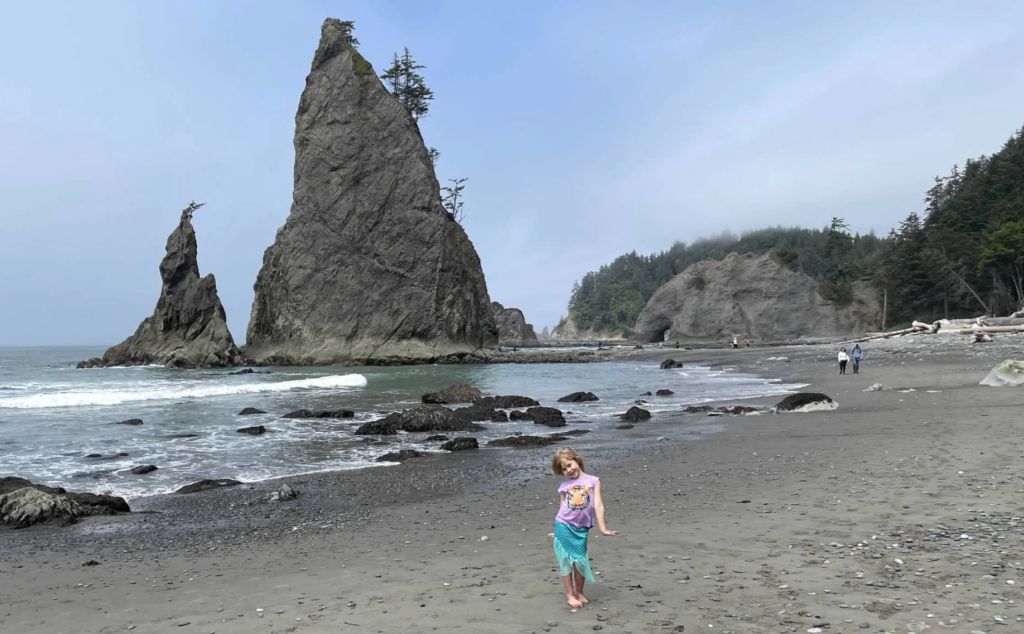
- Expecting sandy beaches – Most Washington coastlines, especially in the Puget Sound, are rocky and the water is significantly colder (55°F–67°F) than many visitors expect.
- Underestimating driving times across mountain passes and around Puget Sound.
- Assuming the whole state has the same weather – western Washington is often cool and rainy while eastern Washington can be hot and dry.
- Trying to pack Rainier, Olympic, and the San Juan Islands into too few days.
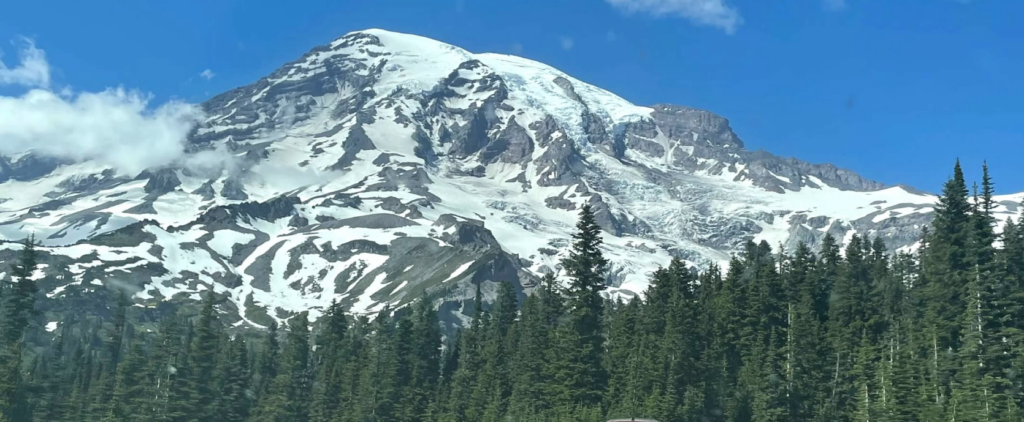
- Forgetting to check cloud cover forecasts for Mount Rainier views – clear mornings provide the best chance to see the mountain.
🚗 Best Way to Experience This State
Washington is best experienced by rental car and road trip, since the state’s biggest highlights—mountains, coastlines, islands, and national parks—are spread far apart. While public transit works well within Seattle and parts of Tacoma, you’ll need a car to fully explore areas like the Olympic Peninsula and the Cascades. Ferries are also an iconic and practical part of travel here, especially for reaching the San Juan Islands. Plan for scenic drives and allow extra time, as mountain and coastal routes are slower but incredibly rewarding.
⏱️ How Long You Really Need
To experience Washington well, plan 7–10 days minimum. A 4–5 day trip works if you focus on Seattle plus one nearby national park. For a balanced first visit that includes Seattle, Mount Rainier, and Olympic National Park, 10–14 days is ideal. The state rewards slower travel, especially when ferry schedules and mountain driving are involved.
🌟 Worth the Hype (Iconic Arizona Experiences)
- Visiting the Space Needle and Seattle waterfront
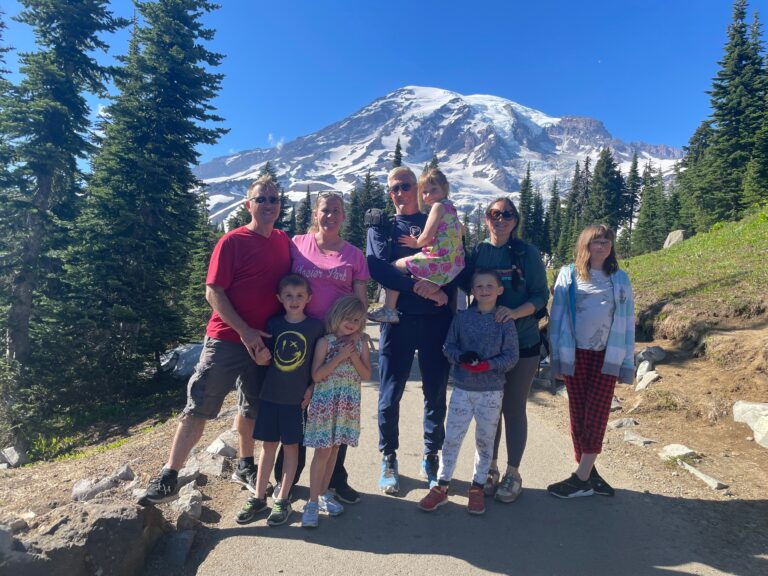
- Wildflower meadows and mountain views at Mount Rainier National Park
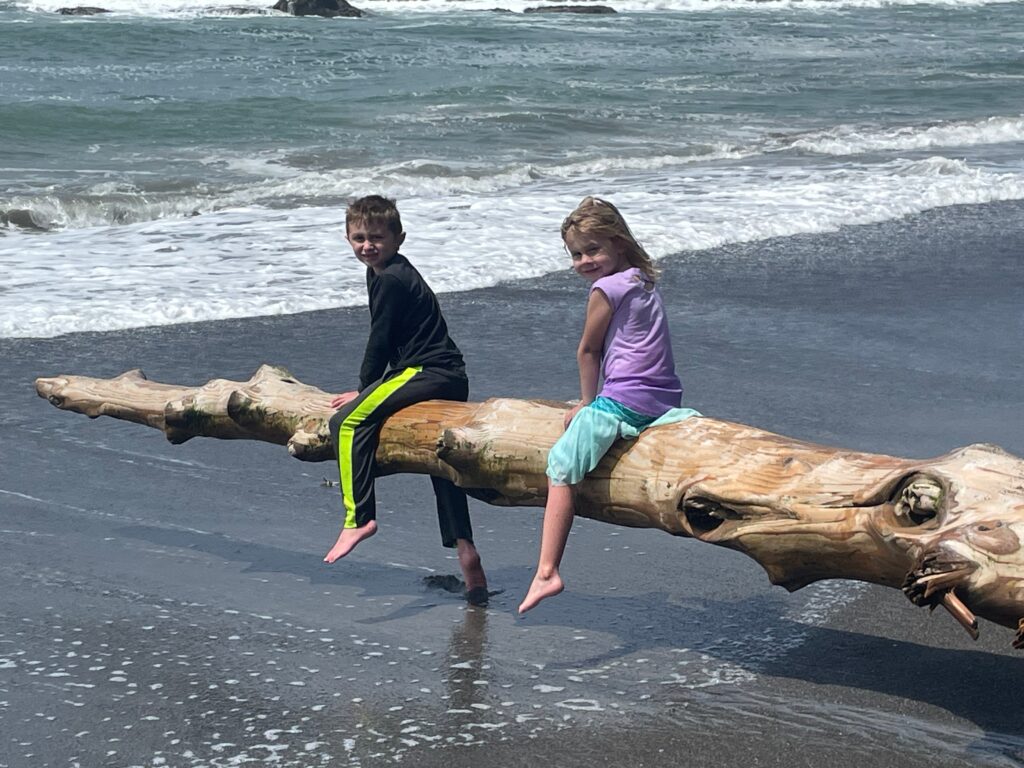
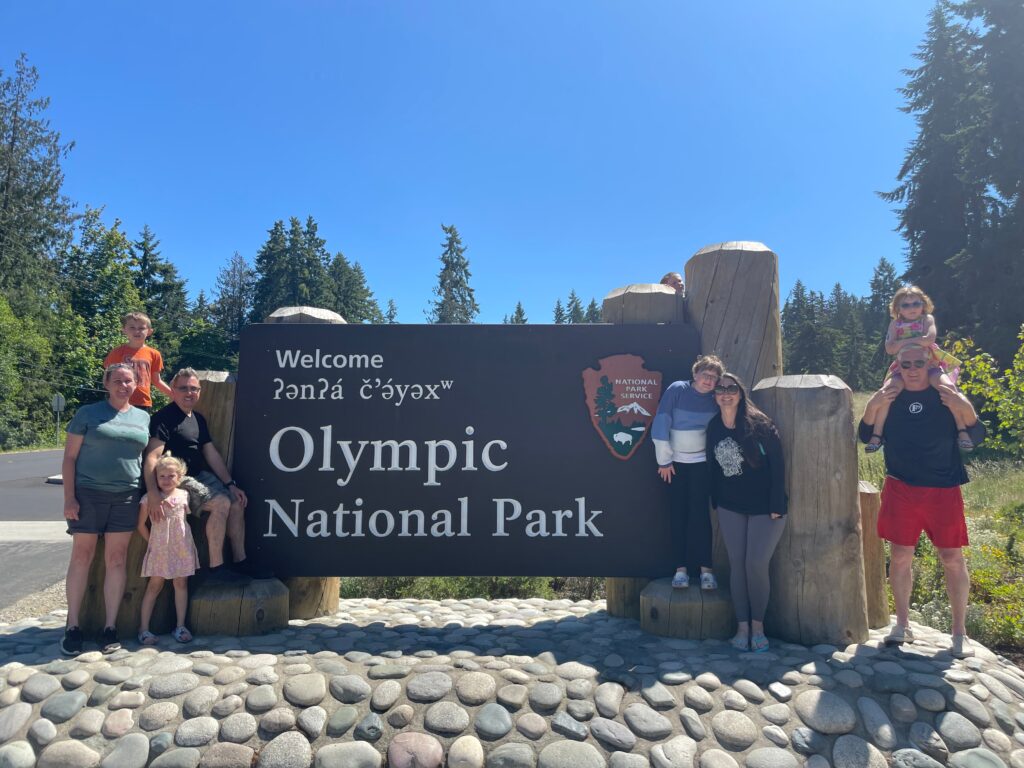
- Exploring the rainforests and coastline in Olympic National Park
- Scenic ferry ride across Puget Sound
- Whale watching near the San Juan Islands
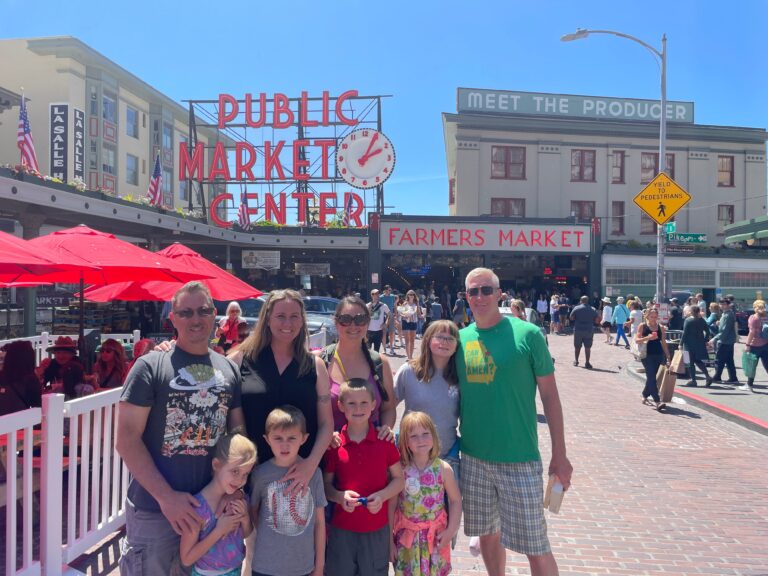
- Walking through Pike Place Market in Seattle
Driving the North Cascades Highway
💎 Hidden Gems We Loved (Less Crowded, Equally Memorable)
 Nature Lovers
- Mount Rainier National Park hiking and wildflower meadows
- Olympic National Park rainforest trails
- North Cascades National Park alpine hikes
- Hurricane Ridge viewpoints
San Juan Islands kayaking and wildlife
🧪🏛️ Science & History Lovers
- Museum of Flight
- Washington State History Museum
- Klondike Gold Rush National Historical Park (Seattle)
- Hanford Reach area (for Cold War history)
Fort Worden Historical State Park
😌 Relaxers
- Waterfront strolling at Seattle’s Pike Place area
- San Juan Islands slow travel and spa stays
- Wine tasting in Walla Walla wine country
- Scenic ferry rides across Puget Sound
Lakeside relaxation at Lake Chelan
👨👩👧👦 Families with Children
- Seattle Center (Space Needle area)
- Woodland Park Zoo
- Easy trails at Mount Rainier
- Olympic National Park beach exploration
Hands-on exhibits at Pacific Science Center
🎬 Filming Location Enthusiasts
- Twin Peaks filming locations in Snoqualmie
- Sleepless in Seattle houseboat area
- Twilight nearby filming region in Forks
- North Bend and Snoqualmie Falls
Seattle skyline viewpoints used in many films
🌄 Scenery Lovers
- Mount Rainier viewpoints (Paradise area)
- Deception Pass Bridge views
- Olympic coastline at Rialto Beach
- North Cascades Highway overlooks
- Palouse rolling hills (eastern Washington)
- San Juan Islands ferry approaches